How to Boost Fertility Naturally: 12 Evidence-Based Tips for You and Your Partner
The best ways to boost fertility naturally are well-timed sex every 2 to 3 days, a healthy weight, regular moderate exercise, a daily 400 microgram folic acid supplement, and cutting out smoking and alcohol, for both partners. No special diet or supplement has been shown to boost conception on its own, but these habits remove common obstacles. If you are under 35 and not pregnant after a year, or over 35 after six months, see a doctor.
Key takeaways
- Timing matters most: sex every 2 to 3 days covers your fertile window without needing to pinpoint ovulation.
- Being very underweight or overweight can interfere with ovulation; the NHS says a BMI of 30 or over reduces fertility.
- Smoking clearly harms fertility, and the NHS says the safest approach is not to drink alcohol when trying to conceive.
- Take 400 micrograms of folic acid daily; it protects your future baby rather than speeding up conception.
- Fertility is shared: sperm take around 74 days to develop, so your partner's habits count too.
Can you really boost fertility naturally?
If you are hoping to get pregnant, it is natural to look for anything that might help. The honest answer is that no food, tea or supplement can switch fertility "on". What everyday habits can do is remove obstacles that make conception harder, such as irregular ovulation, poor sperm quality or missed fertile days.
The good news is that the changes with the strongest evidence are simple, cheap and good for your overall health. And because roughly one third of fertility difficulties involve male factors, according to the Better Health Channel, they work best when both partners join in.
1–3: Get the basics of timing and health right
1. Have regular sex, every 2 to 3 days
The single most effective step is making sure sperm are present around ovulation. The NHS says more than 8 out of 10 couples where the woman is under 40 conceive within a year with regular unprotected sex every 2 or 3 days. Learn more in our guide on how often to have sex to get pregnant.
2. Know your fertile window
The Better Health Channel explains that you are most likely to conceive with sex in the 5 days before you ovulate, or on the day you ovulate. Signs like clear, stretchy cervical mucus help you spot it. See our guide to the best days to get pregnant.
3. Book a pre-pregnancy check-up
A visit to your doctor or midwife before you start trying is a chance to review medicines, vaccinations and long-term conditions such as thyroid problems or diabetes, which can affect your cycle and pregnancy.
4–6: Weight, movement and food
4. Aim for a healthy weight
Weight is one of the clearest lifestyle links to fertility. The NHS says that being overweight or obese, meaning a BMI of 30 or over, reduces fertility, and that being under- or overweight can affect ovulation. The American Society for Reproductive Medicine (ASRM) also notes that fertility rates are lower in women who are very thin or obese. For men, the NHS advises losing weight if you are overweight to support sperm count.
5. Move most days, without overdoing it
The Better Health Channel recommends at least 30 minutes of moderate-intensity activity on most, preferably all, days when you are trying to conceive. Brisk walking, swimming, cycling or yoga all count. Very intense training combined with low food intake can sometimes disrupt periods, so if your cycle becomes irregular or stops, scale back and talk to your doctor.
6. Eat a balanced diet rather than a "fertility diet"
Both ASRM and the Better Health Channel say there is no special diet proven to improve the odds of conception. A varied diet with vegetables, fruit, whole grains, pulses, fish and lean protein supports a healthy weight and overall health, which is what matters. Explore practical ideas in our fertility diet guide.
7–9: Habits worth cutting back on
7. Stop smoking, both of you
ASRM states that smoking has substantial adverse effects on fertility. The Better Health Channel advises quitting before you try for a baby and encouraging your partner to do the same. There is encouraging news too: healthdirect notes that the negative effects of smoking on fertility are generally gone a year after stopping.
8. Avoid alcohol and recreational drugs
The NHS says the safest approach when trying to get pregnant is not to drink alcohol at all, and the Better Health Channel notes that even light drinking can reduce the likelihood of conception. For men, the NHS advises no more than 14 units a week, spread over 3 days or more. Healthdirect lists recreational drugs such as cannabis and cocaine as things to avoid, and the NHS warns against anabolic steroids, which can lower sperm count.
9. Keep caffeine moderate
Healthdirect lists too much caffeine as a possible factor in fertility problems. ASRM reports that more than 500 mg a day (more than about 5 cups of coffee) has been associated with reduced fertility, while 1 to 2 cups a day does not appear to be harmful. Once you are pregnant, lower limits apply, so it is sensible to cut back now.
10–12: Supplements, stress and your partner's health
10. Take folic acid every day
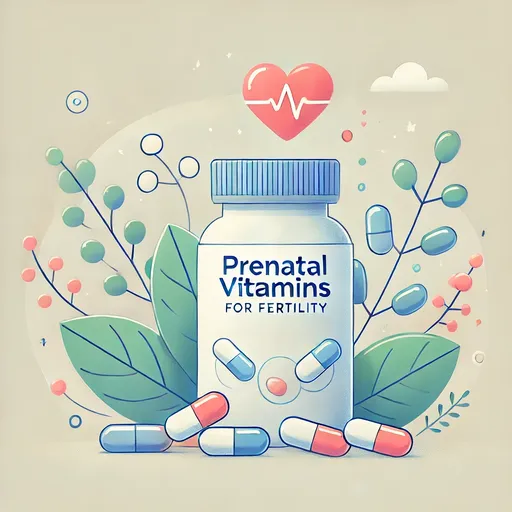
The CDC recommends that all women who could become pregnant take 400 micrograms of folic acid daily, and notes that when it comes to supplements, more is not better. ASRM gives the same minimum. Folic acid mainly helps prevent neural tube defects in your baby rather than speeding up conception, but it needs to be on board before you conceive. The NHS also suggests a vitamin D supplement. Read more in our guide to prenatal vitamins and folic acid.
11. Look after your stress levels and sleep
The NHS says stress can reduce sex drive and, in severe cases, may affect ovulation and sperm production. ASRM adds that the pressure of trying to conceive can lower sexual satisfaction and how often couples have sex. Gentle exercise, slow breathing, time outdoors and regular, sufficient sleep will not cause pregnancy on their own, but they help you feel better and keep intimacy enjoyable.
12. Support your partner's sperm health
Sperm production is a long process: Inserm, the French national health research institute, describes it as taking around 74 days. Changes your partner makes now will show up in sperm a few months later. The NHS recommends that men:
- Wear loose-fitting underwear, because tight underwear can raise the temperature of the testicles.
- Avoid workplace chemicals such as pesticides, solvents and some heavy metals where possible.
- Stop smoking, limit alcohol and lose weight if overweight.
- Avoid recreational drugs and anabolic steroids.
Fertility myths: what doesn't help
- Myth: a particular sex position or lying with your legs up helps. ASRM found no evidence for either.
- Myth: saving sperm for ovulation day improves the odds. ASRM reports that abstaining for more than 5 days lowers sperm counts.
- Myth: expensive fertility supplements are needed. Beyond folic acid (and vitamin D where advised), evidence for other supplements is weak.
- Myth: you need a special fertility diet. There is no special diet proven to improve conception, according to the Better Health Channel.
How long should you try before seeking help?
Lifestyle changes give your body the best conditions, but they cannot overcome every cause of infertility, such as blocked fallopian tubes or very low sperm counts. Healthdirect advises seeing a doctor if you are under 35 and have been trying for 12 months, or over 35 and have been trying for 6 months. Don't wait if you already know about a possible problem.
Seeing a doctor is not a sign of failure. Both partners can be assessed with simple tests, and many causes can be treated.
When to see a doctor
- You are under 35 and have not conceived after 12 months of regular unprotected sex.
- You are 35 or older and have been trying for 6 months.
- Your periods are irregular, very infrequent or have stopped.
- You have very painful periods, pain during sex or ongoing pelvic pain.
- You have a condition such as polycystic ovary syndrome, endometriosis, a thyroid disorder, or past pelvic infection.
- Your partner has had testicular problems, surgery, or cancer treatment, or notices changes in his testicles.
- Seek urgent care for sudden severe pelvic pain, heavy bleeding, or pain with a positive pregnancy test.
Frequently asked questions
How can I increase my chances of getting pregnant quickly?
Have sex every 2 to 3 days throughout your cycle, so sperm are present when you ovulate. Combine this with a healthy weight, no smoking or alcohol, and daily folic acid. Most couples conceive within a year, so give it time before worrying.
Are there foods that boost fertility?
No single food has been proven to boost fertility. ASRM and the Better Health Channel agree there is no special diet that improves the odds of conception. A balanced diet supports a healthy weight and general health, which does help.
Do fertility supplements work?
Folic acid is recommended for everyone trying to conceive, and the NHS also suggests vitamin D. ASRM found little evidence that antioxidants or other vitamin products improve natural fertility. Check with a pharmacist before taking anything new.
How long does it take for lifestyle changes to affect fertility?
It varies. Sperm take around 74 days to develop, so changes in men show up after a few months. Healthdirect notes the effects of smoking on fertility are generally gone a year after quitting.
Can exercise hurt fertility?
Regular moderate exercise is recommended. Very intense training, especially with low calorie intake, can sometimes disrupt periods. If your cycle becomes irregular, reduce intensity and talk to your doctor.
Does caffeine affect fertility?
High amounts may. ASRM reports that more than 500 mg a day has been linked to reduced fertility, while 1 to 2 cups of coffee a day does not seem harmful. Keeping intake moderate is sensible, especially as lower limits apply in pregnancy.
What can men do to improve fertility?
The NHS advises men to wear loose underwear, avoid workplace chemicals, stop smoking, limit alcohol, lose weight if needed, and avoid recreational drugs and anabolic steroids. Fertility is shared, so both partners' habits matter.
Does stress stop you getting pregnant?
Everyday stress alone is unlikely to prevent pregnancy, but severe stress may affect ovulation and sperm production, according to the NHS. It can also reduce sex drive, which makes regular sex harder.
Track it in Femininity
Log your symptoms, see your cycle phases and get tips like this one at the right moment. Free, private and works offline.

Sources
- NHS – Infertility
- NHS – Low sperm count
- ASRM – Optimizing natural fertility: a committee opinion (2021)
- Better Health Channel – Conceiving a baby
- Better Health Channel – Infertility in men
- healthdirect – Infertility
- CDC – Folic acid: sources and recommended intake
- Inserm – Infertilité
This article is for general information only and is not a substitute for professional medical advice, diagnosis or treatment. Always talk to a doctor or midwife about your own health.