Prenatal Vitamins & Folic Acid Before Pregnancy: When to Start, How Much and Why
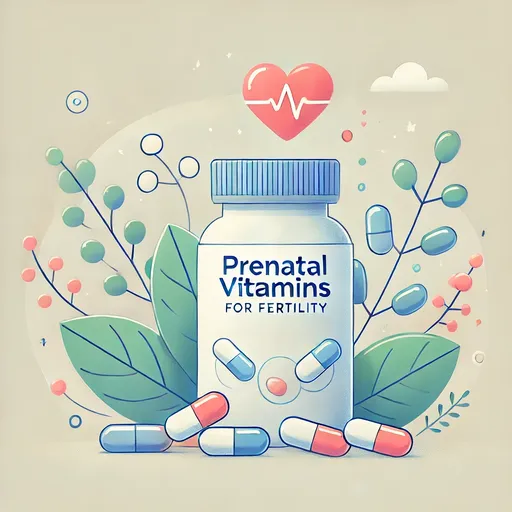
Start taking folic acid before pregnancy, ideally 3 months before you try to conceive, at 400 micrograms a day, and keep taking it until you are 12 weeks pregnant. Folic acid lowers the risk of neural tube defects such as spina bifida, which develop in the first weeks, often before you know you're pregnant. Some people need a higher, prescribed dose. A prenatal vitamin can also cover vitamin D, but should not contain vitamin A (retinol).
Key takeaways
- The NHS recommends 400 micrograms of folic acid daily while trying to conceive, ideally from 3 months before, until week 12 of pregnancy.
- The neural tube closes between about day 17 and day 29 after conception, which is why starting early matters.
- A 5 mg dose is prescribed for some people, for example those with diabetes, certain epilepsy medicines or a family history of neural tube defects.
- The NHS also advises 10 micrograms of vitamin D a day from October to March.
- Avoid vitamin A (retinol) supplements and cod liver oil; more is not better with supplements.
Why folic acid before pregnancy matters
Folic acid is the synthetic form of folate, a B vitamin (B9) your body uses to make new cells. In early pregnancy it plays a key role in forming your baby's neural tube, which becomes the brain and spinal cord. If the tube doesn't close fully, it can lead to conditions such as spina bifida.
Timing is the crucial part. According to Italy's national health institute (EpiCentro, ISS), the neural tube normally closes between the 17th and 29th day after conception. That is often before a missed period, and before many people realise they're pregnant. Taking folic acid only once you get a positive test may be too late for this window.
When to start folic acid and how long to take it
The NHS recommends taking folic acid when you're trying to get pregnant, ideally 3 months before, and continuing for the first 12 weeks of pregnancy. Other national bodies give similar advice: the Saudi Ministry of Health advises taking it every day before and during pregnancy until the 12th week.
- Planning a pregnancy: start as soon as you stop contraception, or earlier if you can.
- Already trying: start today. It's never too late to begin.
- Unplanned pregnancy: start as soon as you find out, and continue until week 12.
- After week 12: you can stop folic acid unless your doctor advises otherwise, but keep taking vitamin D.
If you're actively trying, it helps to know your most fertile days too. See our guide to the best days to get pregnant.
How much folic acid should you take?
For most people the standard dose is 400 micrograms (0.4 mg) a day. The CDC gives the same recommendation for anyone who could become pregnant, and notes that most vitamins contain 400 to 800 micrograms. It also stresses that with supplements, more is not better.
Who needs a higher dose?
The NHS says a higher dose of 5 mg can be prescribed by a GP if you have a higher chance of a neural tube defect. This includes people who:
- Have had a previous pregnancy affected by a neural tube defect, or where you or the baby's biological father has one, or there is a family history.
- Have diabetes.
- Take certain medicines for epilepsy or HIV.
- Have sickle cell disease or thalassaemia.
Poland's national nutrition centre (NCEŻ) adds that obesity (a BMI over 30) and smoking may also call for a higher dose. Don't increase your dose on your own; ask your doctor or pharmacist.
What should a prenatal vitamin contain?
You don't need an expensive product. A simple folic acid tablet is enough for many people, though a pregnancy-specific multivitamin can be convenient. Check the label for:
- Folic acid: 400 micrograms (unless you've been prescribed more).
- Vitamin D: the NHS advises 10 micrograms a day between early October and late March, and not more than 100 micrograms a day.
- No vitamin A (retinol): the NHS warns against vitamin A supplements and cod liver oil in pregnancy, because high levels can harm a developing baby.
- Iron: some prenatal vitamins include it. Your iron levels are usually checked in pregnancy, and your midwife or doctor will advise if you need more.
Can you get enough folate from food?
Folate is found naturally in leafy greens, legumes, citrus fruit and fortified cereals, and a varied diet is still important. But it's hard to reach the levels recommended before pregnancy from food alone, which is why health services advise a supplement on top of a healthy diet. Explore what to eat in our fertility diet guide.
NCEŻ also notes that smoking, coffee and alcohol reduce how well your body absorbs folate, another reason to cut back on them while trying. For other lifestyle steps, see how to boost fertility naturally.
Making it a daily habit
- Pair it with a routine: take it with breakfast or after brushing your teeth. NCEŻ notes folic acid is best absorbed when taken in the morning before eating.
- Keep it visible: next to your toothbrush or on the kitchen counter.
- Try another format: if a tablet upsets your stomach, smaller tablets or chewable versions may be easier. Ask a pharmacist.
- Set a reminder: a daily phone alarm helps if you tend to forget.
What if you forget a dose or are already pregnant?
Missing an occasional day isn't a cause for worry. Just take the next dose as usual and don't double up. Consistency over weeks is what matters.
If you find out you're pregnant and haven't been taking folic acid, start straight away and continue until week 12. Try not to panic: mention it at your first appointment so your midwife or doctor can talk you through it.
When to see a doctor
- You have diabetes, epilepsy, HIV, sickle cell disease or thalassaemia, as you may need a 5 mg prescription.
- You or your partner have a personal or family history of neural tube defects, or a previous pregnancy was affected.
- You take regular medicines and aren't sure whether they're safe in pregnancy.
- You have very heavy periods, constant tiredness or breathlessness, which may point to anaemia.
- You feel sick or vomit so much that you can't keep vitamins, food or fluids down.
- Seek urgent care for heavy bleeding or severe abdominal pain in early pregnancy.
Frequently asked questions
When should I start taking folic acid before pregnancy?
Ideally 3 months before you start trying, according to the NHS. If you're already trying or have just found out you're pregnant, start now and continue until 12 weeks.
How much folic acid should I take when trying to conceive?
The standard dose is 400 micrograms a day. Some people need a 5 mg prescription dose, for example if they have diabetes or a family history of neural tube defects.
Does folic acid help you get pregnant?
No. Folic acid doesn't increase fertility or speed up conception. It reduces the risk of neural tube defects in your baby, which is why it's important to start before you conceive.
Do I need a prenatal vitamin or just folic acid?
A plain folic acid tablet plus vitamin D in autumn and winter meets the NHS recommendations. A pregnancy multivitamin is a convenient alternative, as long as it contains no vitamin A (retinol).
Can I take too much folic acid?
Stick to the recommended dose unless your doctor prescribes more. The CDC notes that with supplements, more is not better.
Should my partner take folic acid too?
The standard recommendation is for the person who will be pregnant. However, the NHS lists a neural tube defect in the baby's biological father as a reason for a higher dose for the mother, so mention any family history to your doctor.
What if I forget to take it some days?
Missing the odd day is fine. Take your next dose as usual without doubling up, and use a reminder to build a routine.
Do I need a prescription for prenatal vitamins?
Standard-dose folic acid and pregnancy multivitamins are available without a prescription from pharmacies and supermarkets. The higher 5 mg dose needs a prescription.
Track it in Femininity
Log your symptoms, see your cycle phases and get tips like this one at the right moment. Free, private and works offline.

Sources
- NHS – Vitamins, supplements and nutrition in pregnancy
- CDC – Folic acid: sources and recommended intake
- EpiCentro (ISS) – Acido folico e folati
- Saudi Ministry of Health – Before pregnancy
- NCEŻ (PZH) – Folic acid supplementation in pregnancy and when planning it
This article is for general information only and is not a substitute for professional medical advice, diagnosis or treatment. Always talk to a doctor or midwife about your own health.