Fertility Diet: What to Eat (and Limit) When You're Trying to Get Pregnant
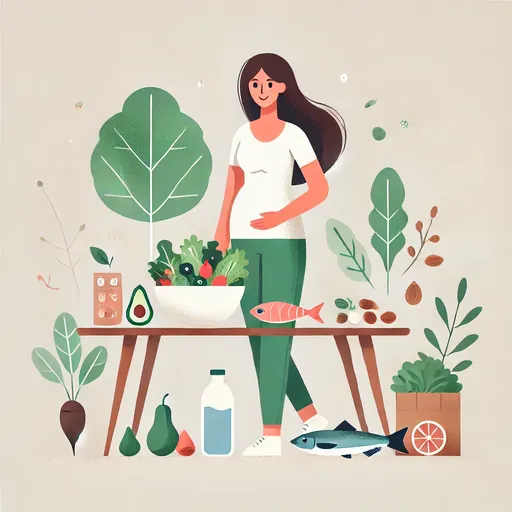
There is no single fertility diet that guarantees pregnancy, but a balanced, mostly plant-forward way of eating supports regular ovulation, a healthy weight and a healthy start to pregnancy. Focus on vegetables, fruit, whole grains, pulses, nuts, olive oil and fish, limit trans fats and sugary foods, keep caffeine moderate, and take 400 micrograms of folic acid every day. Foods matter most for what they help you avoid: weight extremes and nutrient gaps.
Key takeaways
- No specific diet is proven to boost natural fertility, but patterns rich in plant protein and healthy fats are linked to fewer ovulation problems.
- The NHS recommends 400 micrograms of folic acid a day, ideally from 3 months before you try to conceive.
- If you're trying for a baby, the NHS advises no more than 2 portions of oily fish a week and no shark, swordfish or marlin.
- Limit trans fats, sugary drinks and heavily processed foods; keep caffeine moderate.
- Avoid liver and vitamin A (retinol) supplements, which can harm a developing baby.
Does a fertility diet really work?
It's worth starting with an honest answer. The American Society for Reproductive Medicine (ASRM) concludes that there is insufficient evidence that a specific diet or particular nutrients can improve natural fertility. No food can make you ovulate or guarantee conception.
That said, food still matters. A large US study described by ASRM found that a "fertility diet" favouring monounsaturated fats over trans fats and vegetable over animal protein was linked to a lower risk of infertility caused by ovulation problems. And what you eat shapes your weight, which ASRM notes is a clear factor: fertility is lower in women who are very thin or obese.
What to eat: the building blocks of a fertility diet
The NHS Eatwell Guide is a good template. It recommends at least 5 portions of a variety of fruit and vegetables a day, making up just over a third of what you eat, with starchy foods (ideally wholegrain) making up another third.
- Vegetables and fruit: aim for colour and variety. Leafy greens, citrus and berries add folate, vitamin C and fibre.
- Whole grains: oats, wholemeal bread, brown rice and quinoa give steady energy.
- Plant proteins: beans, lentils, chickpeas, tofu, nuts and seeds. These were favoured in the fertility diet pattern ASRM describes.
- Healthy fats: olive oil, avocado, nuts and seeds instead of fried and processed foods containing trans fats.
- Fish: a good source of protein and omega-3 fats, within the limits below.
- Dairy or fortified alternatives: for calcium. The fertility diet pattern in the study included some full-fat dairy.
A simple fertility-friendly plate
- Fill half your plate with vegetables or salad.
- Add a quarter of whole grains or starchy foods.
- Add a quarter of protein, with beans, lentils, eggs or fish several times a week.
- Finish with a drizzle of olive oil or a handful of nuts or seeds.
Key fertility nutrients and where to find them
Folate and folic acid
Folate is found in leafy greens, legumes and citrus fruit, but food alone isn't enough before pregnancy. The NHS recommends taking 400 micrograms of folic acid every day when you're trying to get pregnant, ideally starting 3 months before, and continuing for the first 12 weeks of pregnancy. A higher dose is prescribed for some people, such as those with diabetes or a family history of neural tube defects. See our full guide to prenatal vitamins and folic acid.
Iron
Heavy periods can leave you low in iron. The NHS lists iron-rich foods such as dark green leafy vegetables, meat, fortified cereals, dried fruit and pulses. Tea, coffee and dairy can reduce iron absorption, so have them between meals rather than with iron-rich food.
Omega-3 fats
Oily fish such as salmon, sardines and mackerel are the richest source. Walnuts, chia and flaxseeds provide plant omega-3s.
Vitamin D
The NHS advises 10 micrograms of vitamin D a day between early October and late March, and not taking more than 100 micrograms a day. Oily fish, eggs and fortified foods contain some vitamin D too.
Foods to limit or avoid when trying to conceive
- Trans fats and heavily processed foods: the fertility diet pattern in the ASRM review favoured unsaturated fats over trans fats.
- Sugary drinks and snacks: easy extra calories that can make a healthy weight harder to keep. The Eatwell Guide suggests limiting fruit juice and smoothies to 150 ml a day in total.
- Liver and vitamin A supplements: the NHS warns that liver is high in vitamin A, which can harm a developing baby, and advises against cod liver oil or vitamin A (retinol) supplements in pregnancy.
- Alcohol: the NHS says it is safest to avoid it when trying to get pregnant.
Fish: what's safe when trying for a baby
Fish is healthy, but some species contain pollutants or mercury, and ASRM notes that high blood mercury from heavy seafood consumption has been associated with infertility. The NHS fish advice for anyone trying for a baby:
- No more than 2 portions of oily fish a week (a portion is around 140 g).
- Don't eat shark, swordfish or marlin.
- No more than 4 cans of tuna or 2 tuna steaks a week.
Hydration: how much should you drink?
Staying hydrated supports your general health and energy. The Eatwell Guide recommends 6 to 8 cups or glasses of fluid a day, and water, lower-fat milk and sugar-free drinks all count. There's no evidence that drinking extra water beyond this improves fertility, so drink to thirst and a bit more in hot weather or after exercise.
Herbal teas can be part of your fluid intake, but the NHS suggests no more than 4 cups of herbal tea a day in pregnancy, so it's a sensible ceiling while trying too.
Fertility diet myths
- Myth: special "fertility superfoods" will get things moving. No single food has been shown to increase the chance of conception.
- Myth: more supplements are better. Beyond folic acid and vitamin D, ASRM found little evidence for antioxidants or vitamin-enriched products, and high doses of some vitamins, like vitamin A, can be harmful.
- Myth: you need to cut out a whole food group. Unless you have a diagnosed condition such as coeliac disease, restrictive diets can make nutrient gaps more likely.
- Myth: diet only matters for women. Your partner's weight and habits affect sperm too. Read how to boost fertility naturally for both of you.
When diet needs extra attention
Some situations call for personalised advice from a doctor or registered dietitian:
- Irregular or absent periods, which can be linked to under-eating, intense exercise or conditions like polycystic ovary syndrome.
- Being very underweight or overweight, or a history of disordered eating.
- Ongoing tiredness, very heavy periods or a past diagnosis of anaemia.
- A vegan or highly restricted diet, coeliac disease or other digestive conditions.
- Diabetes, epilepsy or other conditions that may need a higher folic acid dose.
Combined with well-timed sex, a healthy diet gives you the best foundation. Our guide to the best days to get pregnant explains the timing side.
When to see a doctor
- Your periods are irregular, very infrequent or have stopped.
- You are under 35 and have been trying for 12 months, or 35 and over and have been trying for 6 months.
- You feel very tired, breathless or dizzy, or have very heavy periods, which may point to anaemia.
- You have diabetes, epilepsy, coeliac disease or another condition that may affect your nutrition or need a higher folic acid dose.
- You have a history of an eating disorder, or your weight has changed a lot without explanation.
- Seek urgent care for sudden severe pelvic pain, heavy bleeding, or pain with a positive pregnancy test.
Frequently asked questions
What foods help you get pregnant faster?
No food has been proven to speed up conception. A balanced diet with vegetables, fruit, whole grains, pulses, healthy fats and fish supports regular ovulation and a healthy weight, which helps. Timing sex around your fertile window has the biggest effect.
Is the Mediterranean diet good for fertility?
It fits well with the eating pattern linked to fewer ovulation problems in the study described by ASRM, which favoured unsaturated fats and plant proteins. ASRM still says the evidence isn't strong enough to call any specific diet fertility-boosting.
Should I take a prenatal vitamin when trying to conceive?
The NHS recommends 400 micrograms of folic acid daily, ideally from 3 months before conception, plus 10 micrograms of vitamin D in autumn and winter. A pregnancy-specific multivitamin can provide these; avoid products with vitamin A (retinol) and ask a pharmacist if unsure.
Does sugar affect fertility?
There's no strong evidence that sugar on its own affects ovulation, but sugary foods and drinks make it harder to maintain a healthy weight, and weight extremes do affect fertility. Keeping them as occasional treats is sensible.
Can I eat fish while trying to get pregnant?
Yes. The NHS advises up to 2 portions of oily fish a week, no more than 4 cans of tuna or 2 tuna steaks a week, and no shark, swordfish or marlin.
Is dairy good or bad for fertility?
The fertility diet pattern described by ASRM included some high-fat dairy, but the evidence is limited. Dairy or calcium-fortified alternatives fit within a balanced diet; there's no need to cut them out.
How long before trying should I change my diet?
Ideally a few months ahead. The NHS recommends starting folic acid around 3 months before you try, and healthy habits take time to affect weight and nutrient levels. But it's never too late to start.
How much coffee can I drink while trying to conceive?
ASRM found that more than about 5 cups a day was linked to reduced fertility, while 1 to 2 cups did not seem harmful. Once you're pregnant, the NHS limit is 200 mg of caffeine a day.
Track it in Femininity
Log your symptoms, see your cycle phases and get tips like this one at the right moment. Free, private and works offline.

Sources
- ASRM – Optimizing natural fertility: a committee opinion (2021)
- NHS – Vitamins, supplements and nutrition in pregnancy
- NHS – Fish and shellfish
- NHS – Foods to avoid in pregnancy
- NHS – The Eatwell Guide
- NHS – Iron deficiency anaemia
This article is for general information only and is not a substitute for professional medical advice, diagnosis or treatment. Always talk to a doctor or midwife about your own health.