The 4 Menstrual Cycle Phases Explained: What Happens and How You Might Feel
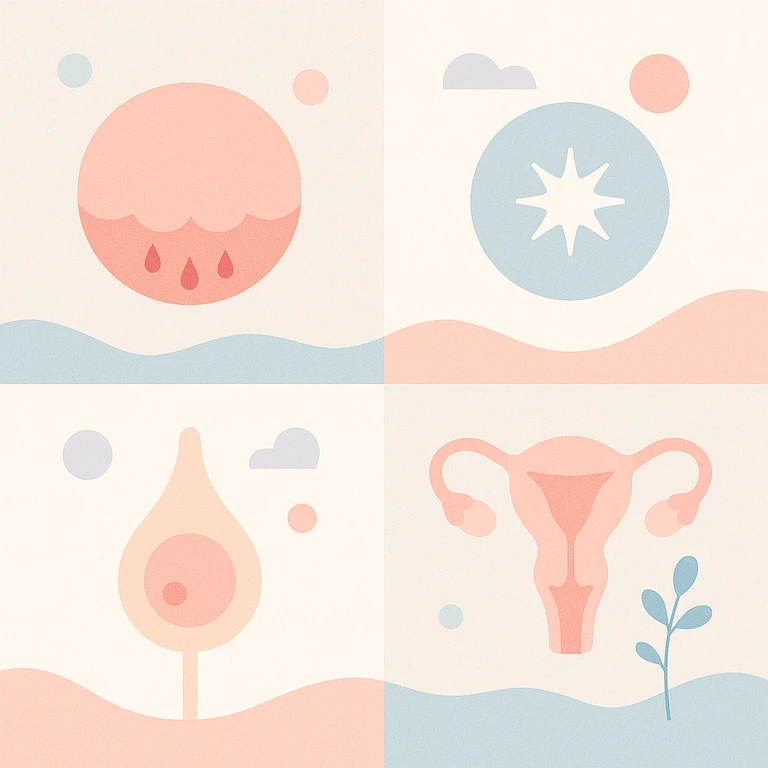
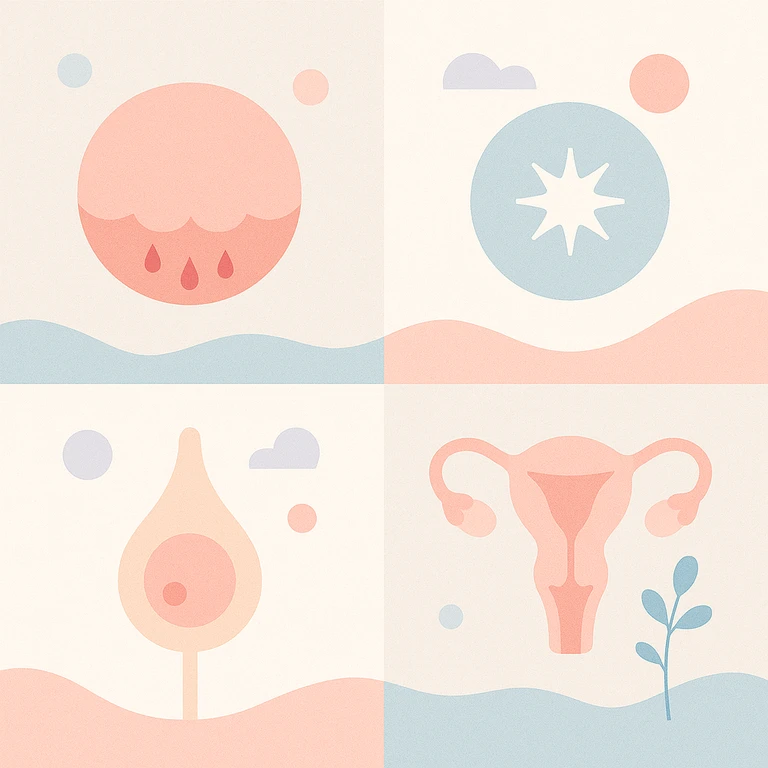
The menstrual cycle phases are the menstrual phase (your period), the follicular phase (an egg matures and oestrogen rises), ovulation (an egg is released) and the luteal phase (progesterone rises to prepare the womb lining). A cycle is counted from the first day of one period to the first day of the next and usually lasts 21 to 35 days. Ovulation tends to happen 10 to 16 days before your next period, not always on day 14.
Key takeaways
- Your cycle has four phases: menstrual, follicular, ovulation and luteal. The menstrual and follicular phases overlap.
- A normal cycle lasts around 21 to 35 days; the NHS says the average is about 28.
- Ovulation usually happens 10 to 16 days before your next period, so it's only around day 14 in a regular 28-day cycle.
- An egg lives for 12 to 24 hours, but sperm can survive for several days, which is why the fertile window spans the days before ovulation.
- Tracking your cycle shows your own pattern, which is more useful than any textbook average.
What is the menstrual cycle?
Your menstrual cycle is the monthly series of changes your body goes through to prepare for a possible pregnancy. According to the NHS, it's counted from the first day of your period to the day before your next one. The average cycle is around 28 days, but anywhere from 21 to 35 days is normal.
The cycle is run by hormones made by the brain (the pituitary gland) and the ovaries. The four main players are follicle-stimulating hormone (FSH), luteinising hormone (LH), oestrogen and progesterone. Their rise and fall across the month is what divides the cycle into phases, and it's also why your energy, mood and body can feel different from week to week.
Phase 1: the menstrual phase (your period)
The cycle starts with your period. If you didn't get pregnant in the previous cycle, levels of oestrogen and progesterone fall, and the thickened lining of the womb is shed through the vagina. The NHS says a period lasts between 2 and 7 days, usually about 5, and is heaviest in the first 2 days.
Cramps are the most common symptom, caused by the womb contracting to release its lining. You may also feel tired, bloated or have a headache. If your bleeding is very heavy or lasts more than a week, read heavy periods and blood clots: what's normal.
Phase 2: the follicular phase
The follicular phase also begins on the first day of your period, so it overlaps with the menstrual phase, and it ends at ovulation. According to Cleveland Clinic, FSH from the pituitary gland causes several follicles (small fluid-filled sacs containing eggs) in your ovaries to grow.
- Oestrogen rises, which makes the womb lining grow and thicken again.
- Usually one follicle becomes dominant and its egg matures.
- In a 28-day cycle, the egg typically matures around days 10 to 14.
This is the phase that varies most in length. If your cycle is longer or shorter than usual one month, it's usually because the follicular phase, and therefore ovulation, came later or earlier. That's why stress, illness or travel can shift your whole cycle. Read more in irregular periods: common causes.
Phase 3: ovulation
Ovulation is when an ovary releases a mature egg into the fallopian tube. It's triggered by a sudden surge in LH. The US Office on Women's Health says LH starts to surge about 36 hours before ovulation and peaks about 12 hours before.
A common myth is that everyone ovulates on day 14. In reality, the NHS says ovulation usually happens around 10 to 16 days before your next period. In a regular 28-day cycle that's around day 14, but in a 35-day cycle it's likely to be later.
Signs of ovulation
- Changes in vaginal discharge: the NHS says secretions become thinner and stretchy, a bit like raw egg white, around ovulation.
- One-sided pelvic twinges: some women feel mild cramping on one side.
- A slight rise in basal body temperature after ovulation, which you can only see by tracking your temperature every morning.
The fertile window
The Office on Women's Health explains that an egg lives for just 12 to 24 hours after ovulation, while sperm can live for 3 to 5 days in the reproductive organs (the NHS says up to 7 days). So the days when pregnancy is possible are the few days before ovulation and the day itself. The chance is highest with sex in the three days before and on the day of ovulation. Predicting this window from cycle dates is only an estimate, especially if your cycles vary, so it isn't a reliable form of contraception on its own.
Phase 4: the luteal phase
After ovulation, the empty follicle produces progesterone, which helps prepare the womb lining for a fertilised egg to implant. Oestrogen stays raised too. The Office on Women's Health says the time from ovulation to the next period can range from about 7 to 19 days, and the NHS puts it at around 10 to 16 days for most women.
If the egg isn't fertilised, oestrogen and progesterone levels fall towards the end of this phase. That drop triggers the womb lining to shed, and your next period begins, starting a new cycle.
PMS and the luteal phase
The NHS describes premenstrual syndrome (PMS) as symptoms in the weeks before a period, possibly linked to changing hormone levels. Common symptoms include mood swings, feeling irritable or anxious, tiredness, trouble sleeping, bloating, breast tenderness, headaches, spotty skin and food cravings. A small number of women have a much more intense form called premenstrual dysphoric disorder (PMDD).
How your cycle changes through life
The Office on Women's Health describes how cycles typically change with age:
- First few years of periods: cycles longer than 38 days are common, and periods are often heavier. Cleveland Clinic notes it can take up to three years for cycles to become regular.
- 20s and 30s: cycles are usually regular, typically lasting 24 to 38 days, and periods often get lighter.
- 40s: cycles may become irregular as the body moves towards menopause.
Pregnancy, breastfeeding and hormonal contraception also change the pattern. Hormonal contraception changes your natural hormone pattern, so the phases described here may not apply in the same way while you're using it. Your method's leaflet explains what to expect.
Why tracking your cycle phases helps
Knowing roughly where you are in your cycle can make your body feel less unpredictable. Logging your periods and symptoms in a tracker like Femininity helps you:
- learn your average cycle length and how much it varies;
- notice patterns, such as low mood or breakouts in the days before your period;
- estimate when ovulation and your fertile window are likely, if you're trying to conceive;
- spot changes early and have clear data to share with a doctor.
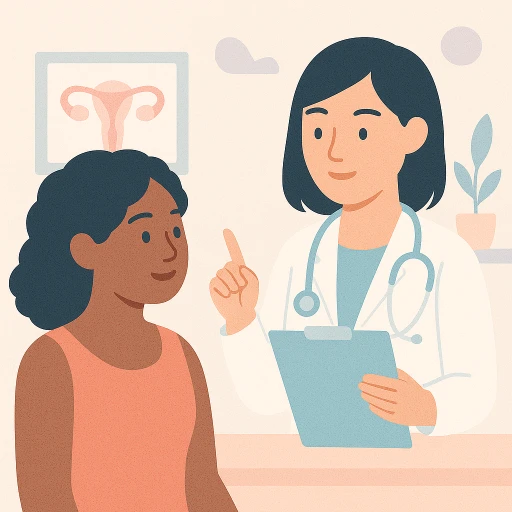
Good information matters too. Look for health information from established health organisations and be wary of anything that promises certain results. If something you read raises questions about your own body, your doctor is the best person to help. Find out when to see a doctor about your period, and if your period is late, read why is my period late?
When to see a doctor
- Your cycles are regularly shorter than 21 days or longer than 35 days, or vary a lot from month to month.
- You've missed 3 periods in a row and aren't pregnant.
- Your periods last longer than 7 days or are very heavy.
- You bleed between periods or after sex.
- PMS symptoms are affecting your daily life and lifestyle changes haven't helped.
- Your cycles are still very irregular about 3 years after your periods started.
- You've been trying to get pregnant without success and are worried about your cycle or ovulation.
- Call 999 or go to A&E if you might be pregnant and have sudden, severe tummy pain or feel very faint.
Frequently asked questions
What are the 4 phases of the menstrual cycle?
The menstrual phase (your period), the follicular phase (an egg matures and oestrogen rises), ovulation (the egg is released) and the luteal phase (progesterone rises). The menstrual and follicular phases overlap at the start of the cycle.
Does everyone ovulate on day 14?
No. The NHS says ovulation usually happens around 10 to 16 days before your next period. That's around day 14 only in a regular 28-day cycle; with a longer cycle it's likely to be later.
How long does each phase last?
A period usually lasts 2 to 7 days. The follicular phase varies the most, which is why cycle lengths differ. The time from ovulation to your next period is around 10 to 16 days for most women, according to the NHS.
Which phase of the cycle are you most fertile?
You're most fertile in the few days before ovulation and on the day of ovulation. An egg survives 12 to 24 hours, but sperm can survive several days, so sex before ovulation can lead to pregnancy.
Why do I feel different at different points in my cycle?
Oestrogen and progesterone rise and fall across the cycle, and these changes can affect energy, mood, skin and appetite. Many people notice PMS symptoms such as irritability, bloating or breast tenderness in the days before their period.
What is a normal menstrual cycle length?
The NHS says the average is around 28 days, with anything from 21 to 35 days considered normal. Your own pattern matters more than the average.
Can I use my cycle phases as contraception?
Estimating your fertile window from cycle dates alone isn't reliable, because ovulation can shift from month to month. If you want to avoid pregnancy, talk to a doctor, nurse or pharmacist about contraception options.
Does hormonal contraception change my cycle phases?
Yes. Hormonal contraception changes your natural hormone pattern, so the phases described here may not happen in the usual way and bleeding can be lighter, irregular or absent. Check your method's leaflet or ask a pharmacist or clinician what to expect.
Track it in Femininity
Log your symptoms, see your cycle phases and get tips like this one at the right moment. Free, private and works offline.

Sources
- NHS – Periods and fertility in the menstrual cycle
- NHS – Periods
- NHS – Premenstrual syndrome (PMS)
- Office on Women's Health – Your menstrual cycle
- Cleveland Clinic – Menstrual cycle
- NHS – Ectopic pregnancy
This article is for general information only and is not a substitute for professional medical advice, diagnosis or treatment. Always talk to a doctor or midwife about your own health.