Why Is My Period Late? 10 Reasons Your Period Is Late When You're Not Pregnant
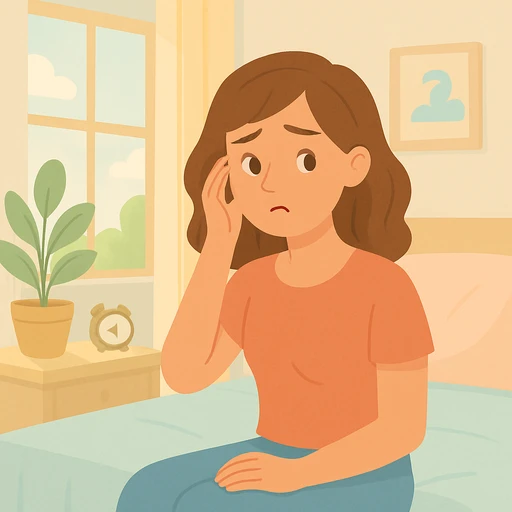
Period late but not pregnant? According to the NHS, the most common reasons are stress, sudden weight loss, being overweight, doing too much exercise, hormonal contraception, perimenopause and polycystic ovary syndrome. Thyroid problems and other medical conditions can also delay periods. A late period is usually nothing to worry about, but see a GP if you've missed 3 periods in a row, your periods have become irregular, or you have other symptoms.
Key takeaways
- A normal cycle is anywhere from 21 to 35 days, and the exact date can shift by a few days from month to month.
- Stress, weight changes, intense exercise, illness and hormonal contraception are common, usually temporary causes.
- Pregnancy tests are most reliable from the first day of your missed period and can be done at any time of day.
- PCOS, thyroid problems and perimenopause can cause ongoing late or missed periods.
- See a GP if you miss 3 periods in a row or your periods become irregular.
When is a period considered late?
According to the NHS, the menstrual cycle can range from every 21 days to every 35 days, and a period usually lasts between 2 and 7 days. Teenagers in their first few years of periods often have longer or less predictable cycles.
Your own pattern matters more than the textbook 28 days. A period is usually thought of as late when it hasn't arrived within about 5 to 7 days of when you'd normally expect it. Even very regular cycles can shift by a few days now and then, because the date of your period depends on when you ovulated. If ovulation happens later than usual, your period will follow later too.
Could I be pregnant?
If you've had sex without contraception, or contraception may have failed, a pregnancy test is the quickest way to rule pregnancy in or out. The NHS explains:
- Tests are most reliable from the first day of your missed period. If you don't know when your period is due, test at least 21 days after you last had unprotected sex.
- You can use urine collected at any time of day; it doesn't have to be first thing in the morning.
- A negative result is less reliable than a positive one, for example if you test too early. If it's negative but your period still hasn't come, wait a few days and test again.
- Speak to a GP if a second test is negative and your period still hasn't arrived.
Once pregnancy is ruled out, these are the most common reasons for a late period.
10 reasons your period is late when you're not pregnant
The NHS page on missed or late periods lists several everyday and medical causes. Most work the same way: they disturb the hormone signals that trigger ovulation.
- Stress. Emotional or physical stress, such as exams, work pressure, grief or a big life change, can delay or stop ovulation.
- Sudden weight loss. Losing weight quickly, or eating too little, can make periods stop.
- Being overweight. Carrying extra weight can affect hormone levels and make periods irregular.
- Doing too much exercise. Intense training, especially combined with low energy intake, can delay or stop periods.
- Hormonal contraception. The NHS notes that some methods, such as the combined pill, the contraceptive injection and the hormonal IUS, can make periods lighter, irregular or stop altogether. Periods can also take a while to settle after stopping hormonal contraception.
- Polycystic ovary syndrome (PCOS). A common condition affecting how the ovaries work, which the NHS now also calls PMOS. Irregular periods or long gaps between periods are one of its main symptoms.
- Thyroid problems. The NHS lists both overactive and underactive thyroid among causes of missed periods. An underactive thyroid can cause irregular or heavy periods.
- Perimenopause. The years leading up to menopause, usually between 45 and 55, often bring irregular or missed periods.
- Breastfeeding. Periods may not return for a while after giving birth if you're breastfeeding.
- Illness and other medical conditions. Being unwell can throw a cycle off, and the NHS also lists long-term conditions such as heart disease and diabetes.
Changes to routine, like travel across time zones, shift work or very poor sleep, can also coincide with a late period for some people, often alongside stress. If your cycle is often unpredictable, read more in irregular periods: causes and what's normal.
Why stress can make your period late
Your period is the end point of a chain of hormone signals that starts in the brain. When you're under significant stress, those signals can be disrupted, so ovulation happens later than usual or not at all that month. Because your period normally arrives about two weeks after ovulation, a late ovulation means a late period.
This is also why you might have PMS-like symptoms, such as bloating or sore breasts, for days while waiting for a period that doesn't come. Learn more about how the cycle works in the phases of the menstrual cycle.
What you can do if your period is late
- Rule out pregnancy if there's any chance, using the timing advice above.
- Look back at the past month. Was there illness, travel, a big deadline, a change in diet or training?
- Support your body. Regular meals, enough sleep and some gentle stress relief help your cycle find its rhythm again.
- Don't over-train if you're feeling run-down, and make sure you're eating enough to fuel your activity.
- Keep tracking. Note when your period does arrive and any symptoms. This record is very useful if you need to see a doctor.
Some people find their next period is heavier after a long gap. If bleeding is very heavy or you pass large clots, see heavy periods and blood clots: what's normal.
How a period tracker helps
A period tracker such as Femininity makes it easier to see whether a late period is a one-off or part of a pattern.
- Compare this cycle with your usual cycle length.
- Log stress, illness, travel and changes in exercise or diet.
- Note other symptoms like hair growth, skin changes, tiredness or weight change, which can point to conditions such as PCOS or thyroid problems.
Bringing a few months of data to a GP appointment helps them decide whether tests, such as blood tests for hormones or thyroid function, are needed. For a full checklist, see when to see a doctor about your period.
When to see a doctor
- You've missed your period 3 times in a row, or you've had a negative pregnancy test and missed 3 consecutive periods.
- Your periods have become irregular when they used to be regular.
- You've missed a period and also have weight gain or loss, tiredness, new hair growth on your face, or dry or oily skin.
- Your periods haven't started by the time you're 15.
- A second pregnancy test is negative but your period still hasn't come.
- You have bleeding between periods or after sex.
- Call 999 or go to A&E if you might be pregnant and have sudden, sharp, intense tummy pain, feel very dizzy or faint, feel sick or look very pale. These can be signs of an ectopic pregnancy.
- Contact a GP or NHS 111 if you might be pregnant and have pain low down on one side, vaginal bleeding or brown watery discharge, or pain in the tip of your shoulder, even if your test was negative.
Frequently asked questions
How late can a period be before I should worry?
A few days late is common and usually nothing to worry about. If you could be pregnant, test from the first day of your missed period. The NHS advises seeing a GP if you've missed 3 periods in a row or your periods have become irregular.
Can stress really delay my period?
Yes. Stress is one of the most common causes of a late period listed by the NHS. It can delay ovulation, and since your period usually comes about two weeks after ovulation, the period is delayed too.
Why is my period late but I have PMS symptoms?
Hormones still shift even when ovulation is delayed, so you may have bloating, cramps or breast tenderness for days before your period actually starts. If you could be pregnant, take a test, as early pregnancy symptoms can feel similar.
Can I get a false negative pregnancy test?
Yes. A negative result is less reliable than a positive one, especially if you test too early or don't follow the instructions. If your period still hasn't come, wait a few days and test again, and speak to a GP if the second test is negative.
Can losing weight make my period late?
Yes. Sudden weight loss and eating too little are causes of missed periods, according to the NHS. Being overweight can also affect your cycle. A balanced diet that meets your energy needs helps your cycle return.
Can exercise stop your period?
Doing too much exercise can delay or stop periods, especially if you're not eating enough to match your activity. If your periods have stopped while training hard, talk to a GP.
Is it normal to miss a period once?
A single missed or late period can happen because of stress, illness or other temporary changes. If it happens again or your cycle stays irregular, check in with a doctor.
Can coming off the pill make my period late?
Yes. After stopping hormonal contraception, it can take some time for your natural cycle to settle, so periods may be late or irregular at first. If they haven't returned after a few months, see a GP.
Track it in Femininity
Log your symptoms, see your cycle phases and get tips like this one at the right moment. Free, private and works offline.

Sources
- NHS – Missed or late periods
- NHS – Periods
- NHS – Doing a pregnancy test
- NHS – Ectopic pregnancy
- NHS – Underactive thyroid (hypothyroidism)
- NHS – Polycystic ovary syndrome (PCOS / PMOS)
This article is for general information only and is not a substitute for professional medical advice, diagnosis or treatment. Always talk to a doctor or midwife about your own health.