When to See a Doctor About Your Period: 9 Red Flags You Shouldn't Ignore
Wondering when to see a doctor about your period? Go if you have very heavy bleeding, periods lasting more than 7 days, bleeding between periods or after sex, pain that stops your normal activities or isn't helped by painkillers, 3 missed periods in a row, a sudden change in your pattern, or any bleeding after menopause. Most period changes are harmless, but these signs deserve a check. Some symptoms, like sudden severe pain in possible pregnancy, need urgent care.
Key takeaways
- Most period changes are harmless, but some signs are always worth a GP appointment.
- Heavy bleeding, periods over 7 days, bleeding between periods or after sex, and severe pain are the main red flags.
- Pain that stops you doing normal things is not something you have to live with; it can be a sign of conditions like endometriosis.
- Any bleeding after menopause, even once and even a small amount, should be checked by a GP.
- Sudden severe pain if you could be pregnant, or fever and rash while using a tampon, need urgent care.
Is my period normal?
Periods vary a lot between people, and even from month to month. According to the NHS, a cycle usually lasts 21 to 35 days, and a period lasts between 2 and 7 days, usually about 5. Over a whole period you lose about 20 to 90 millilitres of blood, roughly 1 to 5 tablespoons, and it's normal for flow to be heaviest in the first 2 days.
The NHS also notes that period pain usually starts just before or at the start of your period and lasts up to about 3 days. Some cramping, mood changes and bloating are common. The point of knowing what's typical isn't to compare yourself with a textbook. It's so you can recognise when something has changed for you.
9 period red flags: when to see a doctor
These are the signs that NHS guidance says are worth getting checked. None of them automatically means something serious, but they shouldn't be ignored.
1. Very heavy bleeding
The NHS says your periods may be heavy if you need to change your pad or tampon every 1 to 2 hours, use 2 products at once, bleed through to clothes or bedding, or pass clots larger than about 2.5cm. Read more in heavy periods and blood clots: what's normal.
2. Periods lasting more than 7 days
A period that regularly lasts longer than a week is one of the NHS signs of heavy periods, and it's worth a review.
3. Bleeding between periods or after sex
The NHS says bleeding between periods or after sex needs to be checked by a doctor. There are several possible causes, some harmless and some that need treatment, so it's important to find out which.
4. Pain that stops your normal life
The NHS advises seeing a GP if period pain stops you doing your usual daily activities, or if your periods become more painful. Severe pain can be caused by conditions such as endometriosis, adenomyosis, fibroids or pelvic inflammatory disease.
5. Pain that painkillers don't help
Ask for an urgent GP appointment or contact NHS 111 if your period or pelvic pain is severe or worse than usual and painkillers haven't helped.
6. Missed periods
If you could be pregnant, take a test. The NHS advises seeing a GP if you've missed 3 periods in a row and aren't pregnant. See why is my period late? for common causes.
7. A change in your usual pattern
If your periods become irregular, heavier or more painful than they used to be, that change is worth discussing. The NHS also advises seeing a GP if irregular periods come with weight gain, tiredness, new facial hair or dry or oily skin. Learn more in irregular periods: common causes.
8. PMS that takes over your life
See a GP if PMS symptoms affect your daily life and lifestyle changes haven't helped. A small number of women have a more severe form called premenstrual dysphoric disorder (PMDD), with intense anxiety, anger or low mood.
9. Any bleeding after menopause
The NHS says postmenopausal bleeding should always be checked by a GP, even if it's only a small amount or has happened only once. It's not usually serious, but it can be a sign of cancer, so it shouldn't wait.
Severe period pain is not 'just normal'
Many people are told that painful periods are simply part of life. Mild to moderate cramps are common, but pain that stops you going to work or school, or that keeps getting worse, deserves attention.
According to the NHS, the main symptoms of endometriosis include:
- Severe period pain that stops you doing your normal activities.
- Heavy periods.
- Pain in your lower tummy or pelvis.
- Pain when pooing or peeing during your period.
- Pain during or after sex.
- Extreme tiredness.
The NHS acknowledges that it can take a long time to diagnose endometriosis. Keeping a record of your pain, when it happens and what you've tried can help your GP take it seriously and decide on next steps.
When you need urgent care
Some symptoms can't wait for a routine appointment. Get help straight away in these situations:
- You could be pregnant and have sudden, severe tummy pain, feel very dizzy or faint, or have pain in the tip of your shoulder. These can be signs of an ectopic pregnancy. Call 999 or go to A&E.
- You're using a tampon or menstrual cup and suddenly feel very unwell, with a high temperature, a sandpaper-like rash, vomiting, diarrhoea, dizziness or confusion. These can be signs of toxic shock syndrome, a rare but life-threatening infection. Remove the tampon or cup and call 111, or 999 if you have difficulty breathing or are confused.
- You're bleeding so heavily that you feel faint, very weak, breathless or have chest pain.
- Your period or pelvic pain is severe and painkillers haven't helped. Ask for an urgent GP appointment or contact 111.
- You have PMDD symptoms and feel suicidal. The NHS advises calling 999 or going to A&E.
To lower the risk of toxic shock syndrome, the NHS advises washing your hands before using tampons or cups, following the instructions, and not leaving them in for longer than needed or recommended.
How to prepare for your appointment
A little preparation helps you get the most out of a short appointment and makes it easier to describe what's going on.
- Bring your cycle history. The dates of your last few periods, how long they lasted and how heavy they were. A period tracker like Femininity makes this easy to show on your phone.
- Describe your pain. When it starts, how long it lasts, where it is, how bad it is on a scale of 0 to 10, and what you've tried.
- Count your products. How often you change pads or tampons on heavy days, and whether you leak at night.
- List other symptoms. Tiredness, breathlessness, pain during sex, bowel or bladder symptoms, mood changes, skin or hair changes.
- Note your medicines and contraception, including anything you've recently started or stopped.
- Write down your questions so you don't forget them.
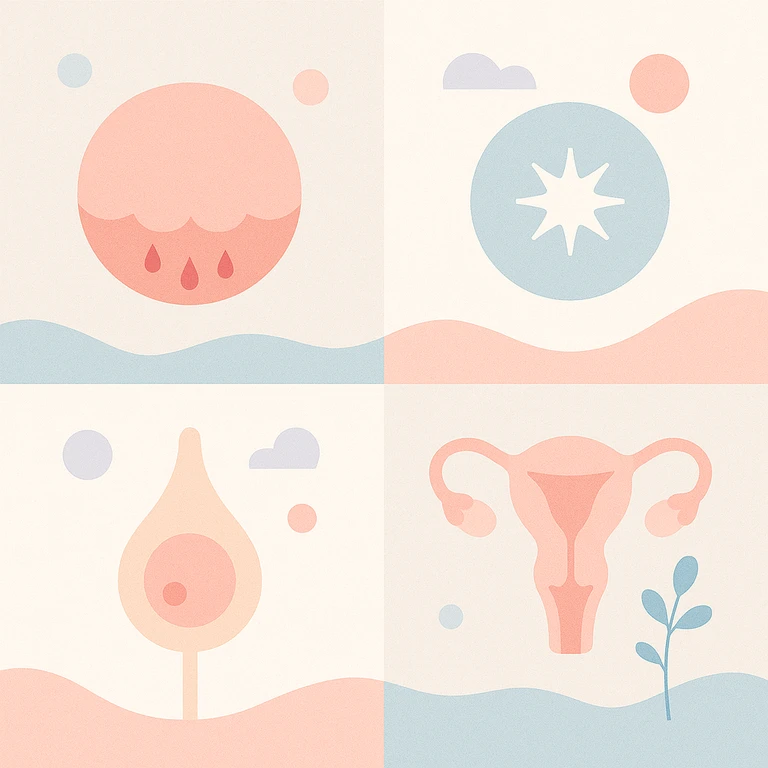
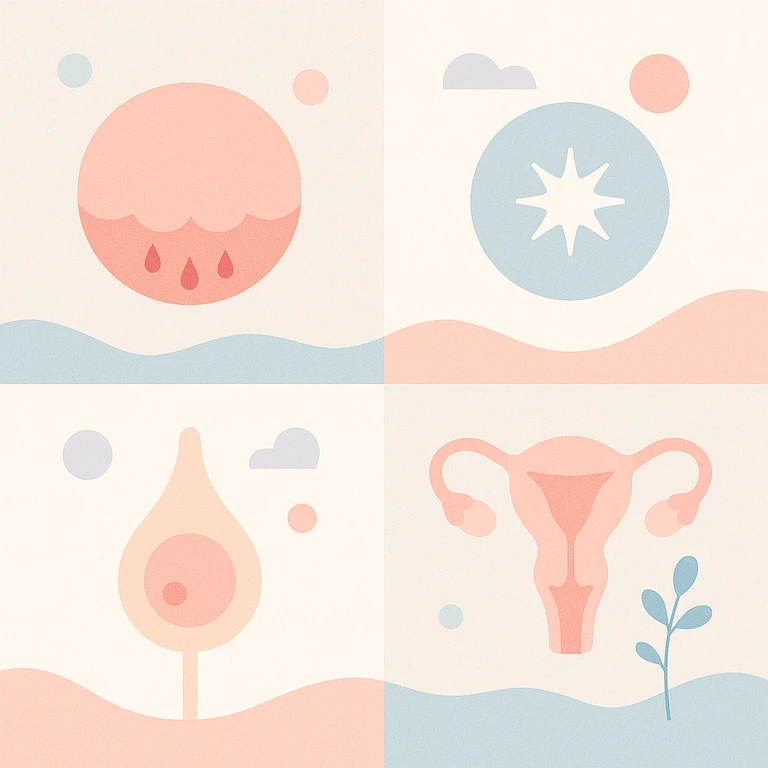
Understanding the phases of the menstrual cycle can help you describe when in your cycle symptoms appear, which is useful information for your doctor.
What your doctor might do
What happens next depends on your symptoms. Based on NHS guidance, your GP may:
- Ask about your periods, symptoms, medical history and whether you could be pregnant.
- Offer a pelvic examination, if appropriate, and with your consent.
- Arrange blood tests, for example to check for iron deficiency anaemia, thyroid problems or hormone levels.
- Arrange an ultrasound scan to look at your womb and ovaries.
- Suggest treatments such as hormonal contraception, medicines to reduce bleeding or pain, or refer you to a gynaecologist for further tests.
You can ask to see a female doctor or to have a chaperone during an examination. If you feel your concerns aren't being heard, it's reasonable to ask for a second opinion or a referral.
When to see a doctor
- You change a pad or tampon every 1 to 2 hours, need double protection, or bleed through to clothes or bedding.
- Your periods regularly last longer than 7 days, or you often pass clots larger than about 2.5cm.
- You bleed between periods or after sex.
- Period pain stops you doing your usual activities or your periods have become more painful.
- You've missed 3 periods in a row and aren't pregnant, or your periods have become irregular.
- You feel tired or short of breath a lot, which can be a sign of anaemia from heavy periods.
- PMS symptoms affect your daily life and lifestyle changes haven't helped.
- You have any bleeding after menopause, even a small amount.
- Ask for an urgent GP appointment or contact NHS 111 if period or pelvic pain is severe and painkillers haven't helped.
- Call 999 or go to A&E if you might be pregnant and have sudden severe tummy pain or feel faint, if you have toxic shock syndrome symptoms with breathing difficulty or confusion, or if you feel suicidal.
Frequently asked questions
Is heavy period bleeding an emergency?
Usually not, but it needs prompt care if you're bleeding so heavily you feel faint, dizzy, breathless or have chest pain, or if you could be pregnant. Persistent heavy periods are worth a routine GP appointment, as they are common and treatable.
Are very painful periods normal?
Some cramping is normal, but pain that stops you doing normal activities or isn't eased by painkillers should be checked. It can be a sign of conditions such as endometriosis, adenomyosis or fibroids.
Should I worry about spotting between periods?
Occasional light spotting can be harmless, for example when starting a new contraceptive. But the NHS says bleeding between periods or after sex should be checked by a doctor.
When should I see a gynaecologist instead of a GP?
In the UK, you usually see a GP first, who can arrange tests and refer you to a gynaecologist if needed. In some countries you can book a gynaecologist directly. Either way, the red flags are the same.
What should I bring to a doctor's appointment about my periods?
Bring your cycle dates and lengths, notes on flow and pain, other symptoms, a list of medicines and contraception, and your questions. A few months of tracked data from a period app is especially helpful.
How long should a period last?
According to the NHS, a period lasts between 2 and 7 days, usually about 5. Periods that regularly last longer than 7 days are a sign of heavy periods and worth discussing with a GP.
Can I see a doctor if I'm just not sure whether my period is normal?
Yes. You don't need a specific red flag to ask for advice. If your periods are affecting your life or worrying you, that's a good enough reason to book an appointment.
What are the signs of toxic shock syndrome?
Symptoms include a high temperature, muscle aches, a sandpaper-like rash, flu-like symptoms, vomiting, diarrhoea, dizziness or confusion. If you're using a tampon or menstrual cup, remove it and get urgent medical help.
Track it in Femininity
Log your symptoms, see your cycle phases and get tips like this one at the right moment. Free, private and works offline.

Sources
- NHS – Periods
- NHS – Heavy periods
- NHS – Period pain
- NHS – Endometriosis
- NHS – Irregular periods
- NHS – Premenstrual syndrome (PMS)
- NHS – Postmenopausal bleeding
- NHS – Toxic shock syndrome
- NHS – Ectopic pregnancy
This article is for general information only and is not a substitute for professional medical advice, diagnosis or treatment. Always talk to a doctor or midwife about your own health.