Early Pregnancy Symptoms: The First Signs, When They Start and When to Test
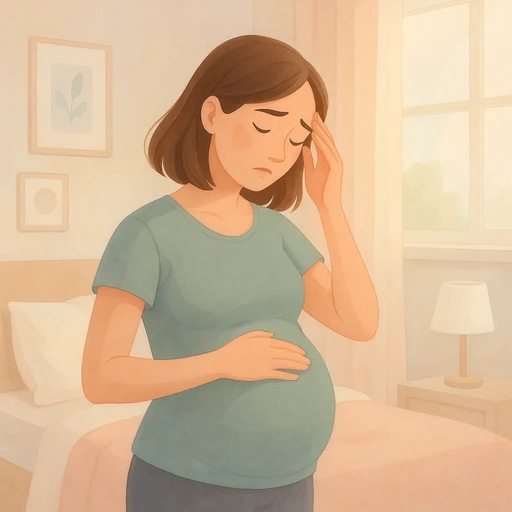
Early pregnancy symptoms usually start around 4 to 6 weeks of pregnancy, which is about the time of a missed period. The most common first signs are a missed period, sore breasts, tiredness, nausea, needing to pee more often and light spotting. Many are similar to PMS, and some people notice nothing at all, so a pregnancy test from the first day of your missed period is the only reliable way to know.
Key takeaways
- A missed period is the most reliable early sign; other symptoms usually begin around 4 to 6 weeks of pregnancy.
- Common first signs include sore breasts, tiredness, nausea, peeing more often, light spotting and smell sensitivity.
- Many early signs overlap with PMS, and having no symptoms is also normal.
- Pregnancy tests are most reliable from the first day of a missed period, or 21 days after unprotected sex.
- Severe one-sided pain, shoulder-tip pain, heavy bleeding or fainting need urgent care.
When do early pregnancy symptoms start?
If you are trying to conceive, it is natural to scan your body for clues in the days before your period is due. According to the NHS, early pregnancy symptoms usually start when you're around 4 to 6 weeks pregnant. Pregnancy weeks are counted from the first day of your last period, so 4 weeks pregnant is roughly when your next period would be due.
Symptoms are driven by pregnancy hormones, especially human chorionic gonadotrophin (hCG). The NHS explains that hCG starts to be produced around 6 days after fertilisation, once the embryo implants. Before that point, there is no pregnancy hormone to cause symptoms, which is why very early "signs" are often PMS or simple chance.
The most common early signs of pregnancy
Every body responds differently. The NHS and Cleveland Clinic list these as frequent early signs:
- A missed period. For people with regular cycles, this is the most reliable early sign.
- Sore or larger breasts. Breasts may feel tender, full or tingly.
- Tiredness. Many people describe a heavy, unusual exhaustion.
- Nausea or vomiting. The NHS notes this can happen at any time of the day or night, not just in the morning.
- Needing to pee more often.
- Light spotting around the time your period is due.
Less common early signs
- A metallic taste in your mouth.
- Sensitivity to smells, food cravings or going off foods you usually like.
- More vaginal discharge, without soreness or itching.
- Constipation or bloating.
- Mood changes.
- Headaches, mild cramping, a blocked nose or skin changes, which Cleveland Clinic lists among less common signs.
Implantation bleeding: what's normal?
Some people notice light bleeding or spotting around the time their period is due. The NHS describes this as implantation bleeding, which can happen in very early pregnancy when the fertilised egg implants into the womb. Cleveland Clinic describes it as small drops of blood or a brownish discharge.
Implantation bleeding is usually much lighter and shorter than a period. Because it can be confused with a light period, a pregnancy test a few days later is more reliable than guessing from the bleeding itself.
Not all bleeding in early pregnancy is implantation bleeding. The NHS advises calling 999 if bleeding comes with severe tummy pain, shoulder pain, feeling faint or dizzy, or heavy bleeding that soaks a pad soon after you put it on.
Early pregnancy symptoms vs PMS
Many early pregnancy symptoms look a lot like premenstrual syndrome, because both are driven by hormones in the second half of the cycle. Sore breasts, bloating, cramps, tiredness and mood changes can all happen with either.
- Timing: PMS symptoms usually ease once your period starts. Pregnancy symptoms continue and often build.
- Nausea and smell sensitivity: these are more typical of pregnancy than of PMS.
- Bleeding: a normal period is heavier and lasts longer than light spotting.
- The deciding factor: a missed period followed by a positive test.
When to take a pregnancy test
Home pregnancy tests detect hCG in your urine. The NHS gives clear guidance:
- Most reliable: from the first day of your missed period.
- If you don't know when your period is due: test at least 21 days after you last had unprotected sex.
- Earlier testing: some very sensitive tests can be used before a missed period, but results are less reliable.
- Follow the instructions on the pack carefully, including any advice on using first-morning urine.
Positive or negative: what next?
The NHS says a positive result is almost certainly correct, and advises arranging pregnancy care with a midwife or doctor as soon as possible. A negative result is less reliable, especially if you tested early or did not follow the instructions. If your period still hasn't come, wait a few days and test again. If the second test is negative and your period is still missing, see a doctor.
If you are planning a pregnancy, keep taking folic acid. See our guide to prenatal vitamins and folic acid.
What if you have no pregnancy symptoms?
Having no symptoms does not mean you are not pregnant, and it does not mean something is wrong. Symptoms vary widely between people and between pregnancies, and many healthy pregnancies begin quietly.
If you have been trying for a while without a positive test, remember that most couples need several cycles. Our guide on why you might not be getting pregnant yet explains what is normal, and when to see a fertility specialist covers when to ask for help.
Morning sickness: how long does it last?
Nausea and vomiting are among the best-known early pregnancy symptoms. The NHS explains that hormonal changes in the first 12 weeks are probably one of the causes, and that sickness usually clears up by weeks 16 to 20.
A small number of people develop a severe form called hyperemesis gravidarum. The NHS advises contacting a midwife, GP or NHS 111 if you are vomiting and:
- Your pee is very dark, or you haven't peed in more than 8 hours.
- You can't keep food or fluids down for 24 hours.
- You feel very weak, dizzy or faint when standing.
- You have tummy pain, a high temperature, are vomiting blood or are losing weight.
Warning signs in early pregnancy
Most early symptoms are uncomfortable but harmless. Some, however, can be a sign of an ectopic pregnancy, where the pregnancy grows outside the womb, usually in a fallopian tube. The NHS says ectopic symptoms usually develop between the 4th and 12th weeks of pregnancy and can include:
- Tummy pain, typically low down on one side.
- Vaginal bleeding that may start and stop, and may be watery and dark brown.
- Pain in the tip of your shoulder.
- Discomfort when peeing or pooing.
The NHS advises contacting a GP or NHS 111 if you have a combination of these symptoms and might be pregnant, even if you haven't had a positive test. Call 999 or go to A&E immediately for sudden, intense tummy pain, dizziness or fainting, or feeling very sick.
When to see a doctor
- Call 999 or go to A&E for sudden, severe tummy or pelvic pain, shoulder-tip pain, fainting or dizziness, especially if you could be pregnant.
- Seek urgent help for heavy bleeding that soaks a pad soon after you put it on.
- Contact a GP or urgent care for one-sided tummy pain with spotting or brown bleeding, even before a positive test.
- Contact a midwife or doctor for any bleeding or spotting with mild pain in early pregnancy.
- Get help if you can't keep fluids down for 24 hours, have very dark urine or haven't peed for 8 hours.
- See a doctor if you have a high temperature or feel very unwell.
- See a doctor if your period is missing and repeat tests are negative.
Frequently asked questions
How soon can you feel pregnancy symptoms?
Most people who get symptoms notice them around 4 to 6 weeks of pregnancy, which is around the time of a missed period. hCG only starts to be produced around 6 days after fertilisation, so symptoms much earlier than that are unlikely to be due to pregnancy.
Can you have pregnancy symptoms before a missed period?
Some people notice sore breasts, tiredness or light spotting around the time their period is due. But these overlap with PMS, so they can't confirm pregnancy. A test from the first day of a missed period is more reliable.
What does implantation bleeding look like?
It is usually light spotting, small drops of blood or a brownish discharge, around the time a period would be due. It is lighter and shorter than a normal period. Heavy bleeding or bleeding with severe pain needs medical advice.
Can I be pregnant and have no symptoms?
Yes. Many people feel nothing early on, and symptoms vary between pregnancies. A lack of symptoms does not mean anything is wrong.
How early can a pregnancy test detect pregnancy?
Tests are most reliable from the first day of a missed period. Some very sensitive tests can be used earlier, but a negative result before your period is due is less reliable, so test again if your period doesn't come.
Can a pregnancy test be wrong?
The NHS says a positive result is almost certainly correct. Negative results are less reliable, often because the test was done too early or the instructions weren't followed. If your period is still missing, test again a few days later.
Is cramping normal in early pregnancy?
Mild cramping can be an early sign. But severe pain, pain on one side, or pain with bleeding, shoulder-tip pain or dizziness can be a sign of an ectopic pregnancy and needs urgent care.
When does morning sickness start and end?
It often begins in the first weeks of pregnancy and, according to the NHS, usually clears up by weeks 16 to 20. It can happen at any time of day. Seek help if you can't keep fluids down for 24 hours.
Track it in Femininity
Log your symptoms, see your cycle phases and get tips like this one at the right moment. Free, private and works offline.

Sources
- NHS – Signs and symptoms of pregnancy
- NHS – Doing a pregnancy test
- Cleveland Clinic – Am I pregnant?
- NHS – Vaginal bleeding in pregnancy
- NHS – Ectopic pregnancy: symptoms
- NHS – Vomiting and morning sickness
This article is for general information only and is not a substitute for professional medical advice, diagnosis or treatment. Always talk to a doctor or midwife about your own health.