Best Foods for Period Bloating and Fatigue: What to Eat (and Limit)
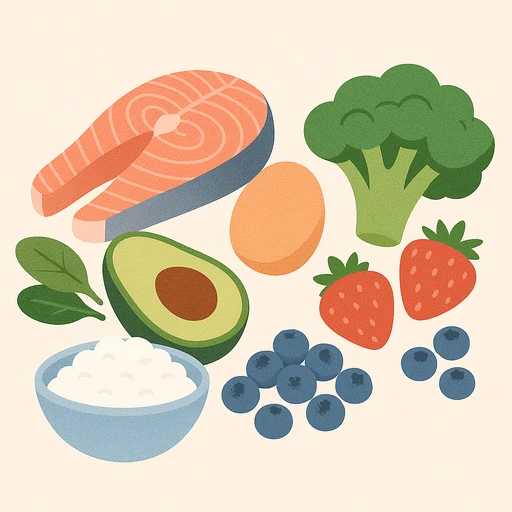
The best foods for period bloating are fibre-rich whole foods eaten in smaller, regular meals, plus potassium-rich fruit and vegetables and plenty of water, while cutting back on salty, processed and fizzy options. For period fatigue, focus on iron-rich foods such as beans, pulses, leafy greens, red meat and fortified cereals, with steady wholegrain carbs. If you feel exhausted all the time or have heavy periods, ask a GP about iron deficiency.
Key takeaways
- Bloating around your period is common; fibre, fluids, smaller meals and less salt are the basics that help most.
- Potassium, found in bananas, beans, nuts and many vegetables, helps control the balance of fluids in the body.
- Heavy periods are a very common cause of iron deficiency anaemia, and tiredness is its main symptom.
- Iron-rich foods include red meat, beans, pulses, nuts, dried fruit, leafy greens and fortified cereals.
- Constant exhaustion, heavy bleeding or bloating that doesn't settle should be checked by a doctor.
Why do you feel bloated and tired on your period?
Feeling puffy, heavy and drained around your period is very common. The NHS lists bloating, tiredness, food cravings and changes in appetite among the typical symptoms of premenstrual syndrome (PMS). Several things combine to make you feel this way:
- Hormone shifts in the second half of your cycle affect how your body handles fluid, so many people notice a swollen belly, tender breasts or slightly puffy fingers.
- Digestion changes. Some people get constipated before their period and loose stools during it. Constipation and gas are two of the most common causes of bloating, according to the NHS.
- Blood loss. The NHS says heavy periods are a very common cause of iron deficiency anaemia, and the main symptom is tiredness and lack of energy.
- Cravings and skipped meals can lead to energy dips that make fatigue feel worse.
Food won't switch these symptoms off, but what you eat in the week before and during your period can make a real difference to how comfortable and energetic you feel.
Best foods for period bloating
The aim is simple: keep your gut moving, avoid adding extra gas and salt, and support your body's fluid balance. These foods fit the bill.
Fibre-rich foods (introduced gradually)
Fibre helps prevent constipation, one of the main drivers of bloating. UK guidelines recommend 30 g of fibre a day, but most adults only get about 20 g. Good sources include oats, wholemeal bread, brown rice, potatoes with their skins on, pulses, vegetables, fruit, and unsalted nuts and seeds.
Potassium-rich fruit and vegetables
Potassium helps control the balance of fluids in the body, according to the NHS. Bananas are a classic source, along with broccoli, parsnips, Brussels sprouts, beans, pulses, nuts, seeds and fish. Most people can get enough from a varied diet.
Water-rich foods
Cucumber, watermelon, oranges, berries, courgettes and soups add to your fluid intake. Staying hydrated helps keep stools soft, and the NHS includes drinking plenty of water in its advice for bloating. Read more in does drinking water help period bloating.
Yoghurt and kefir
Plain yoghurt and kefir are easy, gentle foods. They contain live bacteria, but the NHS notes that while there is some evidence probiotics may ease some symptoms of irritable bowel syndrome, there's little evidence for many of the health claims made about them. Enjoy them as part of a balanced diet rather than a fix, and skip large portions if dairy tends to upset your stomach.
Ginger and peppermint
Many people find warm ginger or peppermint tea soothing when their tummy feels tight. It's a comforting way to get more fluids, especially in place of fizzy drinks.
Best foods for period fatigue
When your energy dips, think steady fuel and the nutrients you lose with your period.
Iron-rich foods
The NHS says women aged 19 to 49 need 14.8 mg of iron a day, and that most people should be able to get enough from their diet. Good sources include:
- red meat
- beans and pulses such as lentils, chickpeas and kidney beans
- nuts
- dried fruit such as apricots
- fortified breakfast cereals and bread
- dark-green leafy vegetables such as spinach and kale
The NHS also notes that large amounts of tea, coffee, milk and dairy, and foods high in phytic acid such as wholegrain cereals, can make it harder for your body to absorb iron. You don't need to cut them out; simply try not to have a big mug of tea right alongside your most iron-rich meal. The NHS also says drinking orange juice may help your body absorb iron from tablets, so adding a vitamin C-rich food like peppers, oranges or strawberries to iron-rich meals is an easy habit.
Wholegrain carbs for steady energy
The NHS Eatwell advice says starchy foods should make up just over a third of what you eat, choosing higher-fibre or wholegrain versions such as wholewheat pasta, brown rice and potatoes with their skins on. They release energy more steadily than sugary snacks.
Protein and oily fish
Eggs, beans, lentils, chicken, tofu and fish help keep you full. The NHS recommends at least 2 portions of fish a week, including 1 portion of oily fish such as salmon, sardines or mackerel.
Easy meal ideas for low-energy period days
When you're exhausted, cooking can feel like too much. These take minimal effort:
- Porridge with banana and a handful of nuts for fibre, potassium and slow-release energy.
- Lentil and vegetable soup for iron, fibre and warmth. Batch-cook it the week before your period.
- Scrambled eggs on wholemeal toast with spinach for protein and iron.
- Yoghurt with berries and oats as a quick breakfast or snack.
- Salmon or sardines with brown rice and steamed vegetables for protein and omega-3s.
- Bean chilli with peppers for iron plus vitamin C in one bowl.
Foods to limit when you're bloated
You don't need to ban anything. Just notice how these affect you around your period and adjust gently.
- Very salty and processed foods. Adults should have no more than 6 g of salt a day, and around three quarters of the salt we eat is already in foods like bread, cereals, meat products and ready meals, according to the NHS.
- Fizzy drinks, which add gas to your gut.
- Sugary snacks, which can lead to an energy crash later.
- Fatty, fried or spicy food and large late meals, which the NHS lists among things to avoid if you're bloated.
- Lots of caffeine and alcohol. The NHS suggests cutting down on both if you're bloated, and caffeine can also disturb sleep.
- Gassy foods such as some beans and cruciferous vegetables can be a trigger for some people. If they bother you, have smaller portions rather than cutting them out, since they're also great sources of fibre and iron.
When to see a doctor
- You feel tired and low on energy all the time, even outside your period, or have shortness of breath, heart palpitations, pale skin or frequent headaches. These can be signs of iron deficiency anaemia.
- Your periods are heavy: you need to change a pad or tampon every 1 to 2 hours, bleed for more than 7 days, pass clots larger than about 2.5 cm, or feel tired or short of breath a lot.
- You feel bloated regularly, or bloating doesn't improve after changing your diet or after your period ends.
- You're constipated regularly, it's not improving, or you feel tired all the time with it.
- You have blood in your poo, lose weight without trying, or have bleeding between periods or after sex.
- Get urgent help for a sudden, severe stomach ache with a swollen tummy, or if you feel faint, very breathless or have chest pain.
- Don't start iron supplements to treat suspected anaemia without talking to a GP or pharmacist first.
Frequently asked questions
What should I eat to stop period bloating?
Focus on fibre-rich whole foods introduced gradually, potassium-rich fruit and vegetables, water-rich foods and plenty of fluids, and eat smaller, regular meals. Cutting down on salty processed foods, fizzy drinks, alcohol and lots of caffeine also helps many people.
Do bananas help with period bloating?
Bananas are a good source of potassium, which helps control the balance of fluids in the body, and they're gentle on the stomach. They're a useful part of a varied diet, but no single food will get rid of bloating on its own.
What foods give you energy on your period?
Iron-rich foods such as red meat, beans, lentils, leafy greens and fortified cereals, plus wholegrain carbs and protein, provide steadier energy than sugary snacks. Eating regularly rather than skipping meals helps avoid energy dips.
Can low iron make you tired during your period?
Yes. Heavy periods are a very common cause of iron deficiency anaemia, which causes tiredness and lack of energy. If you're always exhausted or your periods are heavy, see a GP, who can check your iron levels with a blood test.
Should I take an iron supplement for period fatigue?
Not without advice. Most people can get enough iron from their diet, and a GP can check whether you're actually low. If you're prescribed iron, follow the leaflet and your doctor's instructions, and keep supplements out of reach of children.
Is chocolate okay during your period?
Yes, in moderation. A little dark chocolate can be part of a balanced diet, but large amounts of sugary snacks can lead to energy crashes. Pairing a small treat with a proper meal is a gentle middle ground.
Does dairy make period bloating worse?
It depends on you. Some people are sensitive to lactose and feel more bloated after large portions of milk, while others find yoghurt easy to digest. Tracking how you feel after dairy for a couple of cycles will tell you more than general rules.
What should I avoid eating before my period?
There's no strict list, but very salty processed food, fizzy drinks, sugary snacks, fried and fatty meals, and lots of caffeine and alcohol are common triggers for bloating and energy dips. Reduce them in the week before your period and see how you feel.
Track it in Femininity
Log your symptoms, see your cycle phases and get tips like this one at the right moment. Free, private and works offline.

Sources
- NHS – Bloating
- NHS – Iron deficiency anaemia
- NHS – Iron
- NHS – How to get more fibre into your diet
- NHS – Vitamins and minerals: others (potassium)
- NHS – Probiotics
- NHS – Eight tips for healthy eating
- NHS – Heavy periods
This article is for general information only and is not a substitute for professional medical advice, diagnosis or treatment. Always talk to a doctor or midwife about your own health.