PMS Mood Swings and Period Emotions: Self-Care That Really Helps
PMS mood swings are common: feeling irritable, anxious, tearful or low in the days before your period is linked to hormone changes across your cycle. Regular exercise, enough sleep, a balanced diet, less alcohol and stress-reducing habits like slow breathing, yoga or meditation can help. Tracking your mood for at least two cycles shows your pattern. If symptoms affect daily life, see a doctor, and get urgent help if you ever feel suicidal.
Key takeaways
- Mood swings, irritability, anxiety and feeling low are recognised symptoms of premenstrual syndrome (PMS).
- As many as three in four women say they get PMS symptoms at some point in their life.
- Exercise, sleep, a balanced diet, less alcohol and stress-reduction techniques are the first-line self-help steps.
- Tracking symptoms for at least two cycles helps you and your doctor see a clear pattern.
- PMDD is a severe form of PMS. If mood symptoms are intense, disrupt your life or include suicidal thoughts, get help.
Why do PMS mood swings happen?
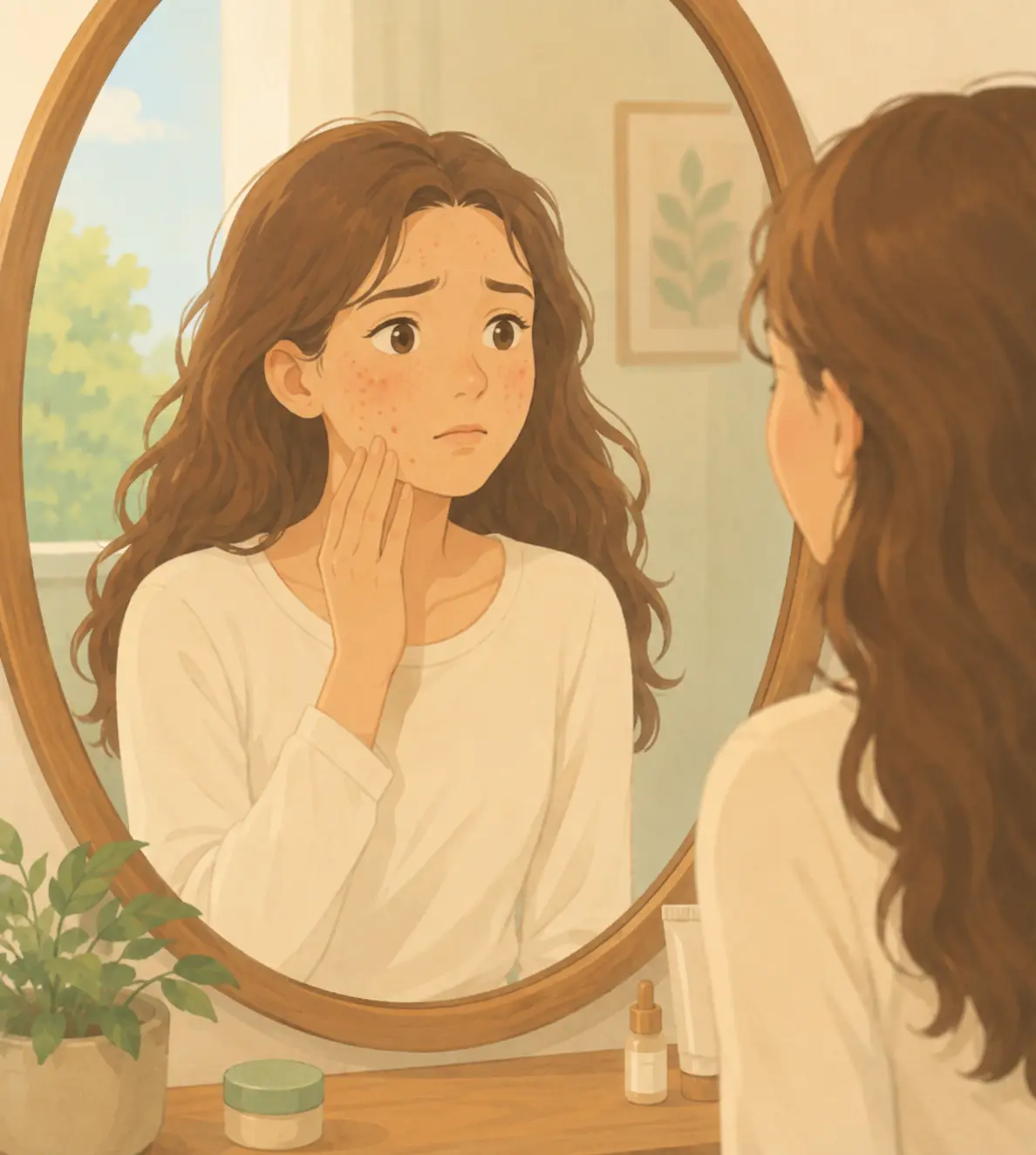
If you feel more sensitive, snappy, teary or flat in the days before your period, you're far from alone. The NHS lists mood swings, feeling depressed or irritable, and feeling upset, anxious or emotional among the common symptoms of premenstrual syndrome (PMS). According to the US Office on Women's Health, as many as three in four women say they get PMS symptoms at some point in their lifetime.
The exact cause isn't fully understood, but the NHS says it may be linked to changes in hormone levels during the menstrual cycle. Oestrogen and progesterone rise and fall across the month, and these shifts can affect mood, sleep, appetite and how you respond to stress.
- You may feel more sensitive to criticism or conflict.
- Small problems can feel bigger or more urgent than usual.
- You might swing between wanting closeness and wanting to be alone.
- Tiredness, pain and poor sleep can make emotional ups and downs stronger.
None of this means your feelings aren't real. They are. But knowing they're linked to a predictable pattern, not a personal failing, can make them easier to handle.
Quick ways to calm period mood swings in the moment
When irritability or anxiety spikes, small actions can take the edge off. Try one of these:
- Slow your breathing. The NHS breathing exercise for stress: breathe gently into your belly, in through your nose and out through your mouth, counting steadily from 1 to 5 on each breath, for at least 5 minutes.
- Name the feeling. Saying "I feel overwhelmed and sensitive today" helps you step back from it.
- Take a micro-break. Two to five minutes away from screens to stretch, breathe or close your eyes.
- Ground yourself. Notice 5 things you can see, 4 you can touch, 3 you can hear, 2 you can smell and 1 you can taste.
- Ask: fact or feeling? Both matter, but a feeling of "everyone is annoyed with me" may not be a fact.
- Shrink the plan. Focus on the next hour, not the whole week.
Lifestyle habits that ease PMS anxiety and low mood
The NHS and the Office on Women's Health recommend the same foundations for managing PMS:
- Exercise regularly. Regular aerobic activity, such as brisk walking, cycling or swimming, is advised throughout the month, not just on bad days. See exercise on your period.
- Prioritise sleep. The Office on Women's Health suggests aiming for about eight hours a night. Tiredness makes everything feel harder.
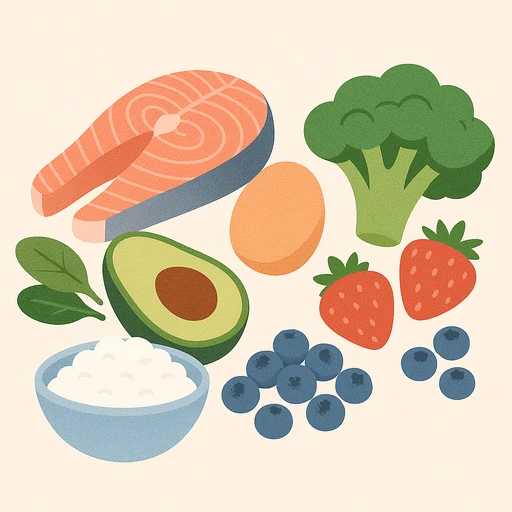
- Eat regularly and well. The NHS says eating smaller, frequent meals every 2 to 3 hours may help. The Office on Women's Health suggests limiting caffeine, salt and sugar in the two weeks before your period. Our guide to the best foods for period bloating and fatigue has ideas.
- Reduce stress. The NHS recommends trying yoga or meditation. Journaling and talking to friends can help too.
- Cut down on alcohol and don't smoke. Both are on the NHS list of things to avoid with PMS.
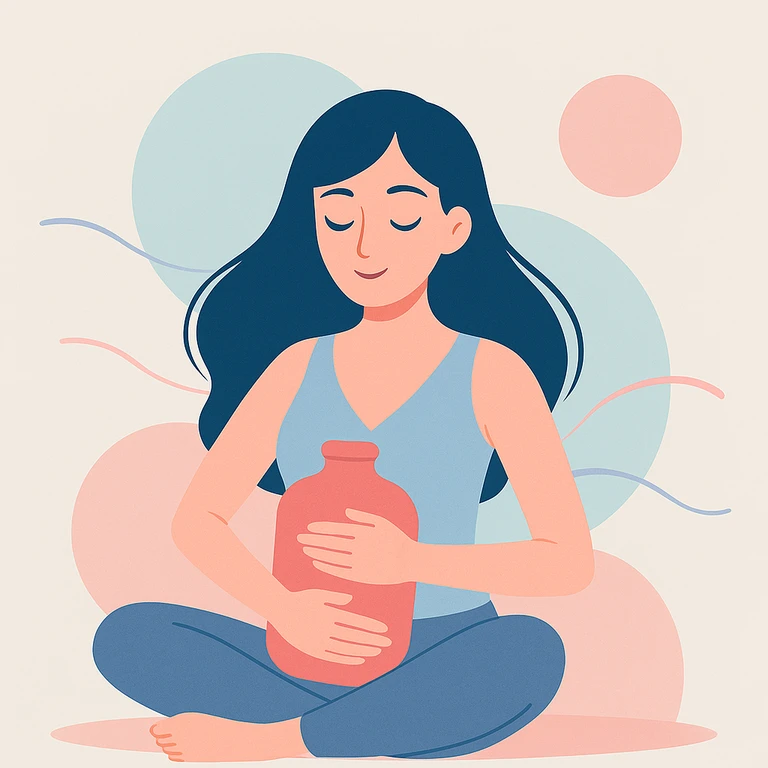
Physical symptoms feed into mood. If cramps or bloating are dragging you down, easing them helps your emotional state as well. Try heat for period cramps or our tips on period bloating and drinking water.
Emotional self-care for tough period days
Practise self-compassion
It's common to judge yourself for being "too emotional" before your period. Harsh self-talk makes difficult feelings heavier. Try speaking to yourself as you would to a close friend: "This is a hard day. My body is going through a lot, and I'm doing my best." You don't have to force positivity; simply noticing "I feel sad" is enough.
Build a light routine
- Pick 1 to 3 non-negotiables, such as drinking water, eating one nourishing meal and stepping outside for a few minutes.
- Lower the bar. Rest and recovery are productive too.
- Move big decisions and intense plans, where you can, to days when you feel steadier.
- Create a comfort corner with tea, a journal, a soft blanket, headphones or a favourite book.
- Set phone boundaries to limit doom-scrolling and comparison when you already feel vulnerable.
Make your space calming
Dim the lights, cut background noise, put on calming music or nature sounds, and reach for comfort signals like cosy clothes and a warm drink. A short guided meditation of just a few minutes can help your body shift into a calmer state.
Managing relationships when you feel emotional before your period
Hormonal mood shifts can make conflicts feel louder. Honest communication and gentle boundaries protect both you and the people you care about.
- Let trusted people know: "My hormones affect my mood before my period, so I might be quieter or need more space this week."
- Delay intense conversations or big decisions until you feel more balanced, if possible.
- Say no without guilt to plans when your body and mind need rest.
- Ask for specific support: "Can we just watch a show together?" or "Can you check in on me later?"
Track your mood to spot your PMS pattern
The NHS recommends keeping a diary of your symptoms for at least 2 menstrual cycles, and the Office on Women's Health suggests bringing a few months of tracking on a calendar or app to your doctor's appointment.
- Log your mood daily with simple labels such as calm, low, anxious, irritable or energised.
- Add quick notes: "slept badly", "argument with partner", "relaxing evening".
- Track what helps: a walk, journaling, time alone or talking to a friend.
A period tracker like Femininity lets you log mood next to your cycle, so you can see whether low days cluster before your period and plan softer days in advance. This record is also very helpful if you decide to speak to a doctor or therapist.
Is it PMS or PMDD?
Premenstrual dysphoric disorder (PMDD) is a more severe form of PMS. The Office on Women's Health says it affects fewer than 5% of women of childbearing age. According to the NHS, symptoms are much more intense and can include feeling very anxious, angry, depressed or suicidal.
PMDD isn't something to push through alone. Treatments the NHS mentions for PMS include the combined contraceptive pill, cognitive behavioural therapy (CBT), a talking therapy that helps you change how you think and act, and antidepressants. A doctor can help you decide what's right for you.
When to see a doctor
- Your mood symptoms affect your work, studies, relationships or daily life, or lifestyle changes haven't helped.
- You feel very low, hopeless, very anxious or out of control around your period, especially month after month.
- Emotional symptoms last well beyond your period or are present most of the month, which may point to something other than PMS.
- You're relying on alcohol or other substances to cope.
- If you have thoughts of harming yourself or feel you don't want to be here, get help immediately: call your local emergency number (999 in the UK, 112 in Europe, 911 in the US) or go to the nearest emergency department. In the UK you can also call Samaritans free on 116 123.
- If you feel suicidal, don't drive yourself to hospital; ask someone to take you or call an ambulance.
Frequently asked questions
Is it normal to feel emotional before your period?
Yes. Mood swings, irritability, anxiety and feeling tearful are recognised PMS symptoms, and as many as three in four women report PMS symptoms at some point. They're valid and common, and they don't mean you're weak or "too emotional".
How long do PMS mood swings last?
PMS symptoms appear in the weeks or days before your period and usually ease once it starts or shortly after. If low mood or anxiety continues through most of the month, talk to a doctor, as it may be something other than PMS.
Why do I get anxious before my period?
Hormone changes across the cycle are thought to affect mood and how you respond to stress, and anxiety and tension are listed PMS symptoms. Poor sleep, caffeine and stress can make it worse. Breathing exercises, regular exercise and enough sleep often help.
What is PMDD and how is it different from PMS?
PMDD is a severe form of PMS that affects fewer than 5% of women of childbearing age. Symptoms are much more intense and can include severe anxiety, anger, depression or suicidal feelings. It needs medical support, and treatment options are available.
Can exercise help with PMS mood swings?
Yes. Regular exercise is one of the main self-help steps the NHS recommends for PMS, and aerobic activity throughout the month is advised. Gentle options like walking or yoga count, especially on low-energy days.
Does the pill help with PMS mood swings?
The combined contraceptive pill is one of the treatments the NHS lists for PMS, but it isn't right for everyone and can affect mood differently from person to person. Discuss the benefits and risks with a doctor or nurse.
How do I explain my mood changes to my partner?
Keep it simple and honest: "My hormones affect my mood before my period, so I may be more sensitive this week." Then tell them what helps, such as patience, a check-in or some alone time. Sharing your mood tracking can make the pattern easier to understand.
Can food affect period mood swings?
Eating regular, balanced meals helps avoid energy dips that worsen irritability, and the NHS suggests smaller meals every 2 to 3 hours may help with PMS. Limiting caffeine, sugar, salt and alcohol before your period is also commonly advised.
Track it in Femininity
Log your symptoms, see your cycle phases and get tips like this one at the right moment. Free, private and works offline.

Sources
- NHS – Premenstrual syndrome (PMS)
- Office on Women's Health (womenshealth.gov) – Premenstrual syndrome (PMS)
- NHS – Breathing exercises for stress
- NHS – Stress
- NHS – Cognitive behavioural therapy (CBT)
This article is for general information only and is not a substitute for professional medical advice, diagnosis or treatment. Always talk to a doctor or midwife about your own health.