Period Bloating and Headaches: How Drinking Water Helps
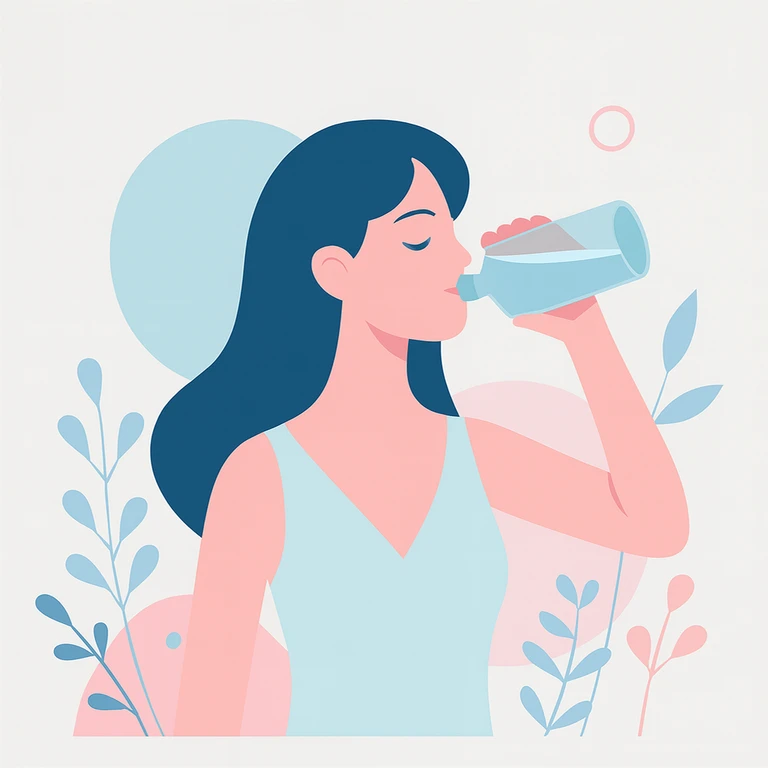
Drinking enough water won't make period bloating vanish, but it can help. The NHS lists drinking plenty of water among the self-help steps for bloating, and good hydration helps prevent constipation and dehydration headaches, both of which make period days feel worse. Aim for the UK guideline of 6 to 8 cups or glasses of fluid a day, more if it's hot or you're active, and go easy on salt, fizzy drinks and alcohol.
Key takeaways
- Feeling bloated around your period is common and is listed by the NHS as a symptom of premenstrual syndrome (PMS).
- Drinking plenty of water is an NHS self-help tip for bloating, and it helps keep your digestion moving.
- Dehydration is a known headache trigger, and so are hormonal changes around your period.
- A practical target is 6 to 8 cups of fluid a day, with pale yellow pee as your guide.
- Bloating that is persistent, comes with weight loss or other worrying symptoms needs a check-up.
Why does period bloating happen?
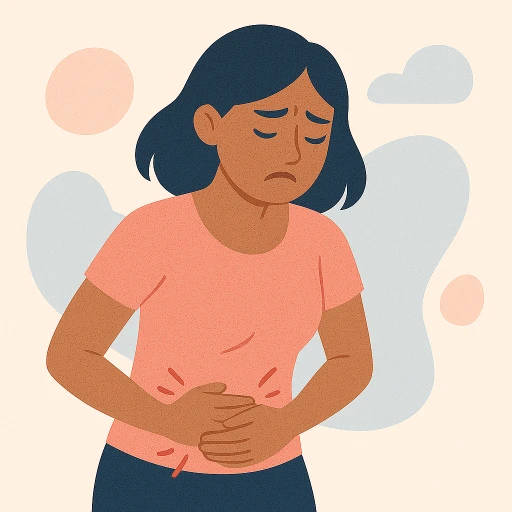
That tight, puffy feeling in your tummy just before or during your period is very common. The NHS lists bloating alongside breast tenderness, headaches, tiredness and mood changes as typical symptoms of premenstrual syndrome (PMS), and its bloating page notes that some people feel bloated around the time of their period.
Period bloating usually has two overlapping causes:
- Hormonal shifts. Changing levels of oestrogen and progesterone in the second half of your cycle are thought to affect how your body handles fluid, which many people notice as water retention before their period: a puffy belly, swollen fingers or tender breasts.
- Your gut. According to the NHS, the most common reason for bloating in general is a lot of gas in your gut. Constipation, fizzy drinks, some foods and eating quickly all add to it, and many people find their digestion changes around their period.
The good news is that this kind of bloating usually eases within a few days once your period starts. In the meantime, a few simple habits, starting with what you drink, can make you more comfortable.
Does drinking water help period bloating?
It sounds backwards: if you feel full of fluid, why drink more? But the NHS includes drinking plenty of water in its list of things you can do to ease bloating. Here's how staying hydrated can help:
- It keeps things moving. Constipation is one of the common causes of bloating the NHS lists, and drinking enough fluid helps keep your stools soft and regular.
- It replaces less helpful drinks. Reaching for water instead of fizzy drinks or alcohol cuts down on two drinks the NHS suggests avoiding if you're bloated.
- It helps you feel better overall. Dehydration can cause headaches, tiredness and dizziness, which pile on top of period symptoms.
You may have read that drinking more water "flushes out" retained water. The idea is popular, but the evidence for it is limited. What is clear is that staying well hydrated is safe, supports digestion and helps you avoid dehydration symptoms. Think of water as one part of your bloating toolkit rather than a quick fix.
Period headaches: why hydration matters
Headaches around your period are common too. The NHS headaches page lists having your period (a hormone headache) and not drinking enough fluids among the common causes of headaches. When both happen at once, it is easy to feel rough.
You can't change your hormones, but you can avoid adding dehydration to the mix. The NHS advises drinking plenty of water and not skipping meals to help with headaches. Common signs that you need more fluid, according to the NHS dehydration page, include:
- feeling thirsty
- a headache or feeling light-headed
- dark yellow, strong-smelling pee, or peeing less often than usual
- dizziness and tiredness
- a dry mouth, lips and tongue
A headache diary, which the NHS also suggests, can show whether your headaches cluster around your period or on days you've had less to drink.
How much water should you drink during your period?
In the UK, the government guideline quoted by the NHS is to aim for 6 to 8 cups or glasses of fluid a day. It's a guide, not a strict rule. You may need more if it's hot, you're physically active for long periods, you're ill, or you're pregnant or breastfeeding.
- Use your pee as a guide. The NHS says most people should drink enough that their pee is a clear pale yellow colour.
- Sip steadily. Spreading drinks across the day is easier on your stomach than drinking a lot in one go, especially if you already feel bloated.
- Don't rely on thirst alone on busy days. Link drinks to routines such as meals, breaks or each time you check your phone in the morning.
- Remember food counts too. Water-rich foods like cucumber, watermelon, oranges, soups and yoghurt add to your intake.
If you have a heart or kidney condition, or your doctor has told you to limit fluids, follow their advice rather than general guidelines.
Best drinks for period bloating (and ones to limit)
Good choices
- Plain water: still, not sparkling, if bloating is bothering you.
- Herbal teas: ginger, peppermint or chamomile are warm, soothing and count towards your fluids.
- Infused water: add cucumber, lemon, mint or berries for flavour without sugar.
- Lower-fat milk: the NHS includes it in the drinks that count towards your daily intake.
Drinks to go easy on
- Fizzy drinks: the bubbles add gas, and the NHS advises against lots of fizzy drinks if you're bloated.
- Alcohol: the NHS lists it among things to avoid for bloating and for headaches, and too much can dehydrate you.
- Lots of caffeine: tea and coffee do count towards your fluids, but the NHS recommends caffeine in moderation and suggests cutting down on it if you're bloated. Some people also find it worsens anxiety or sleep.
- Sugary drinks and juice: the NHS suggests not having high-sugar drinks too often, and keeping fruit juice and smoothies to one small glass a day with a meal.
Warm drinks have a bonus on crampy days: holding a mug while you rest with a hot water bottle can be very comforting. See our guide to using heat for period cramps.
How to reduce period bloating: beyond water
Hydration works best alongside a few other habits. These come from NHS advice on bloating and PMS:
- Eat smaller, more frequent meals. The NHS suggests eating smaller meals more often for bloating, and every 2 to 3 hours may help with PMS.
- Watch the salt. Adults should have no more than 6 g of salt a day, about one level teaspoon, according to the NHS. Around three quarters of the salt we eat is already in packaged foods like bread, cereals, meat products and ready meals, so check labels.
- Move your body. Regular exercise is recommended for both bloating and PMS. A walk after meals can help with gas.
- Eat slowly with your mouth closed to swallow less air.
- Try a gentle tummy massage, moving from right to left, which the NHS suggests for bloating.
- Limit processed, sugary, spicy and fatty foods and large meals late in the evening.
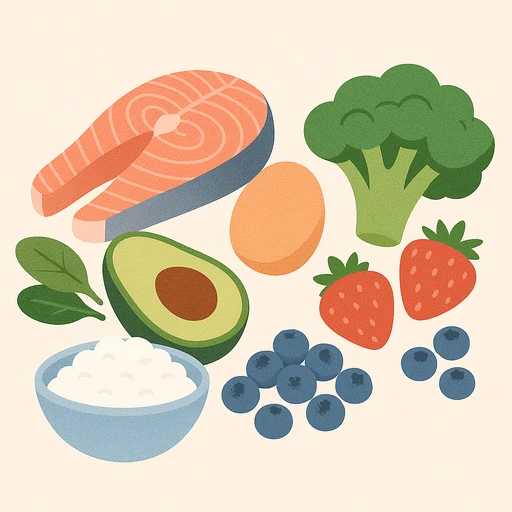
For specific meal ideas, see the best foods for period bloating. If cramps come with your bloating, our guide on how to relieve period cramps covers fast relief.
Track bloating, headaches and water to find your pattern
The NHS recommends keeping a diary of PMS symptoms for at least 2 menstrual cycles. It's one of the easiest ways to see what's really going on.
- Log bloating and headaches each day, rated from 1 to 10.
- Add a rough note of how much you drank and any caffeine or alcohol.
- Note your mood and sleep too, since they often shift with your cycle. Read more in period mood swings.
A period tracker such as Femininity lets you log these symptoms alongside your cycle, so you can see whether headaches really are worse on days you drink less, or whether bloating always peaks two days before your period. Those notes are also helpful if you need to talk to a doctor.
When to see a doctor
- You feel bloated regularly, or bloating doesn't go away after changing your diet. The NHS notes that bloating that doesn't go away can sometimes be a sign of something more serious, such as ovarian cancer.
- You have bloating with unintentional weight loss or blood in your poo.
- Your PMS symptoms affect your daily life, or lifestyle changes haven't helped.
- Get an urgent appointment or call NHS 111 if bloating comes with vomiting, diarrhoea or constipation, a stomach ache, a fever, a lump in your tummy, or you can't pee, poo or pass wind.
- Call 999 or go to A&E for a sudden, severe stomach ache with a swollen tummy, vomiting blood, or severe difficulty breathing.
- Get urgent help for a headache that is sudden and extremely painful, or comes with confusion, weakness or numbness, problems speaking or seeing, or a very high temperature with a stiff neck.
- Get urgent advice if signs of dehydration don't improve, such as dizziness on standing that won't go away or peeing much less than normal.
Frequently asked questions
How long does period bloating last?
For many people, bloating builds in the days before a period and eases within the first few days of bleeding. If you feel bloated most days of the month, or it doesn't settle, see a GP to look for other causes.
Can drinking too little water make bloating worse?
Not drinking enough can contribute to constipation, which is one of the common causes of bloating, and dehydration can also bring on headaches and tiredness. The NHS includes drinking plenty of water in its self-help advice for bloating.
Do tea and coffee count towards my daily fluids?
Yes. The NHS says water, lower-fat milk and lower-sugar drinks, including tea and coffee, all count. Keep caffeine moderate, though, especially if you feel bloated, anxious or are struggling to sleep.
Why do I get headaches before my period?
Hormone changes around your period are a recognised cause of headaches, and dehydration, skipped meals, stress and poor sleep can add to them. Drinking regularly, eating at regular times and keeping a headache diary can help you spot triggers.
Is sparkling water bad for period bloating?
It isn't harmful, but the bubbles add gas to your gut, and the NHS advises against lots of fizzy drinks if you're bloated. If you feel puffy, still water or herbal tea may feel more comfortable.
Does cutting salt help with water retention before your period?
Eating a lot of salty, processed food can make bloating feel worse for some people. Keeping to the NHS limit of no more than 6 g of salt a day and eating fewer processed foods is a sensible step whatever your cycle.
What can I drink to reduce period bloating fast?
There's no instant fix, but still water and warm herbal teas such as peppermint or ginger are good choices. Pair them with a short walk and a gentle tummy massage, and avoid fizzy drinks and alcohol for the day.
Can period bloating be a sign of something serious?
Bloating that comes and goes with your cycle is usually normal. Bloating that is persistent, happens most days, or comes with weight loss, changes in your bowel habits or bleeding should be checked by a doctor.
Track it in Femininity
Log your symptoms, see your cycle phases and get tips like this one at the right moment. Free, private and works offline.

Sources
- NHS – Premenstrual syndrome (PMS)
- NHS – Bloating
- NHS – Water, drinks and your health
- NHS – Dehydration
- NHS – Headaches
- NHS – Salt: the facts
This article is for general information only and is not a substitute for professional medical advice, diagnosis or treatment. Always talk to a doctor or midwife about your own health.