How to Relieve Period Cramps Fast: 15 Tips That Actually Help
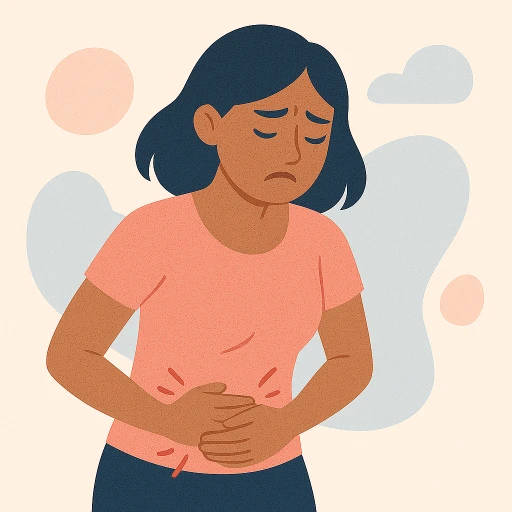
The fastest way to relieve period cramps is usually to combine heat on your lower belly or back with an anti-inflammatory painkiller taken early, as soon as cramps or bleeding start. Gentle movement, stretching, slow breathing and staying hydrated add to the effect. If your pain stops you from going about your day or keeps getting worse, see a doctor, because it can be a sign of a treatable condition such as endometriosis.
Key takeaways
- Most period cramps are caused by prostaglandins, chemicals that make the uterus contract.
- Heat and anti-inflammatory painkillers (NSAIDs) are the two best-studied home treatments.
- Taking pain relief early, before cramps peak, often works better than waiting.
- Gentle exercise, stretching and relaxation techniques can reduce how strong the pain feels.
- Pain that disrupts your life, worsens over time or comes with very heavy bleeding needs a medical check-up.
Why do period cramps happen?
Period cramps, called dysmenorrhea by doctors, are one of the most common menstrual symptoms. Just before and during your period, the lining of your uterus releases chemicals called prostaglandins. They make the muscle wall of the uterus tighten so it can shed its lining. Strong contractions briefly squeeze the blood vessels supplying the uterus, which reduces oxygen to the muscle and causes that familiar cramping ache.
Higher levels of prostaglandins are linked to stronger cramps. That is why pain is often worst on the first one or two days of bleeding, when prostaglandin levels peak, and then fades as your period goes on.
- Where you feel it: lower belly, lower back, hips or the top of your thighs.
- When it starts: usually just before or as bleeding begins, lasting around 1–3 days.
- What can come with it: bloating, nausea, loose stools, headaches, tiredness or feeling faint.
Doctors distinguish two types. Primary dysmenorrhea is common period pain with no underlying condition, and it often starts in the teenage years. Secondary dysmenorrhea is pain caused by a condition such as endometriosis, adenomyosis, fibroids or pelvic inflammatory disease. It may start later in life or get steadily worse. Knowing the difference matters, because secondary pain needs medical treatment, not just home remedies.
How to relieve period cramps fast: what to do right now
When a cramp hits at work, in class or at night, these are the fastest things to try. Most of them can be combined.
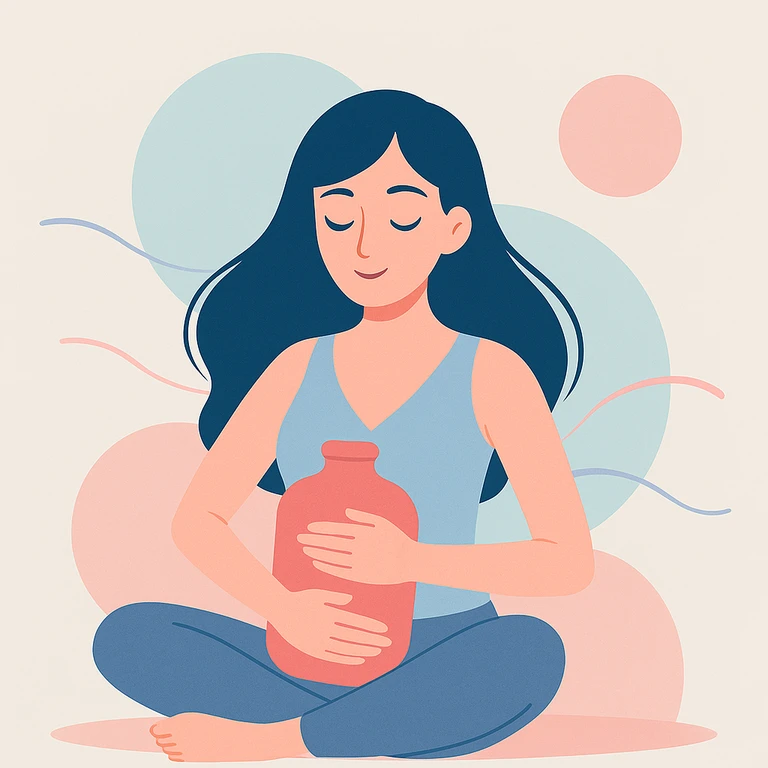
- Apply heat. Put a heating pad, hot water bottle or stick-on heat patch on your lower belly or lower back for 15–20 minutes.
- Take an anti-inflammatory painkiller early, if it is suitable for you (more on this below).
- Change position. Lie on your side with your knees pulled towards your chest, or on your back with a pillow under your knees.
- Breathe slowly. Inhale through your nose for 4 seconds and exhale for 6–8 seconds, for a few minutes.
- Move gently. A short walk or a few hip circles can ease muscle tension.
- Sip something warm. Water, ginger or peppermint tea can soothe and keep you hydrated.
- Massage your belly. Light circular strokes over your lower abdomen can relax tight muscles.
Heat therapy: why it works so well
Heat relaxes the muscles of the uterus and surrounding area and improves blood flow, which helps counter the squeezing effect of prostaglandins. The NHS lists a heat pad or hot water bottle on the tummy as one of the first things to try for period pain, and many people find that for mild cramps heat works as well as medication.
- Heating pad or hot water bottle wrapped in a cloth, on your lower abdomen or back.
- Warm bath or shower, aiming the water at your lower back.
- Adhesive heat patches that stay warm for hours under your clothes, ideal for busy days.
Keep it comfortably warm, never hot, and do not sleep on an electric heating pad. If your skin turns very red or sore, take the heat away. Read more in our guide to using a heating pad for period cramps.
Painkillers for period cramps: using them safely
Non-steroidal anti-inflammatory drugs (NSAIDs) such as ibuprofen and naproxen are often recommended for period pain because they lower prostaglandin production. They tackle the cause of the cramp rather than only masking the pain. ACOG notes they work best when started at the first sign of your period or cramps and taken regularly for a day or two, instead of waiting until pain is severe.
- Always follow the dose and timing on the leaflet, and do not take more than recommended.
- NSAIDs are not suitable for everyone, for example people with stomach ulcers, certain kidney problems, some types of asthma, or during pregnancy. Ask a pharmacist if you are unsure.
- Paracetamol (acetaminophen) is an alternative if you cannot take NSAIDs, although it does not reduce prostaglandins.
- Aspirin should not be given to anyone under 16.
If you need painkillers around the clock every month just to function, tell your doctor. Our article on the best pain relief for period cramps compares the options in more detail.
Exercise, stretching and yoga for cramps
Moving is probably the last thing you feel like doing, but gentle exercise is a well-known way to ease period pain. It increases blood flow to the pelvis, releases endorphins (your body's natural painkillers) and reduces stress, which makes pain feel less intense.
Easy moves to try
- Child's pose: kneel, sit back on your heels and fold forward with your arms stretched out.
- Cat–cow: on hands and knees, slowly arch and round your back with your breath.
- Knees-to-chest: lying on your back, hug both knees in and rock gently side to side.
- Butterfly stretch: sit with the soles of your feet together and let your knees fall open.
- A 10–20 minute walk, swim or easy bike ride.
Regular activity across the whole month may help more than exercise on painful days alone. Find out how to adjust your workouts in exercise on your period.
Food, drinks and supplements that may help
Diet will not switch cramps off, but what you eat in the week before and during your period can influence bloating, energy and how you feel overall.
- Stay hydrated: dehydration can make bloating and headaches worse.
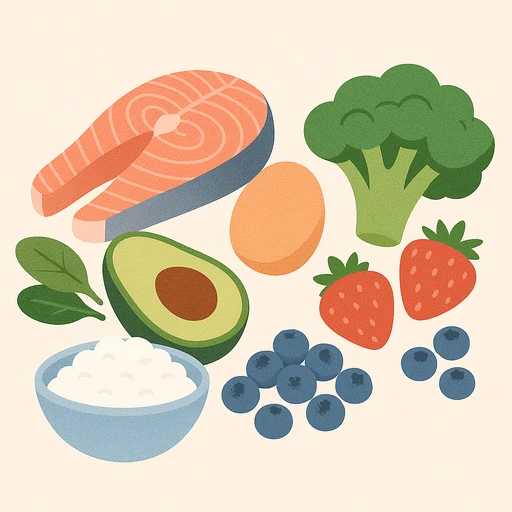
- Choose anti-inflammatory foods: vegetables, fruit, whole grains, nuts, seeds, beans and oily fish.
- Include magnesium-rich foods: leafy greens, pumpkin seeds, almonds, black beans and a little dark chocolate.
- Go easy on very salty, ultra-processed foods, lots of caffeine and alcohol, which can worsen bloating, mood and sleep.
Some small studies have looked at supplements such as magnesium, vitamin B1 or ginger for period pain, but the evidence is limited. Talk to a doctor or pharmacist before starting any supplement, especially if you take other medicines. For meal ideas see the best foods for period bloating and fatigue.
Other things that can take the edge off
- TENS machine: a small device that sends mild electrical pulses through pads on your skin. The NHS mentions it as an option some people find helpful.
- Relaxation and sleep: stress and poor sleep make pain feel stronger. Breathing exercises, meditation and a calm bedtime routine help.
- Stop smoking: smoking is linked to more painful periods.
- Comfort ritual: a warm drink, cosy clothes, a weighted blanket and a favourite show can calm your nervous system.
If cramps keep coming back every month, a doctor may also suggest hormonal options such as the combined pill, which can make periods lighter and less painful for many people.
Track your cramps to find what works for you
Everyone's cramps are different. Logging your symptoms for a few cycles shows you when pain usually peaks, so you can start heat or pain relief before it builds. It also tells you which remedies really help you.
- Rate your pain from 1 to 10 each day of your period.
- Note what you tried (heat, medication, exercise, food) and whether it helped.
- Add mood, sleep and energy, since they affect how you experience pain.
A period tracker such as Femininity can predict your next period and remind you to prepare. A few months of notes are also very useful if you ever need to describe your pain to a doctor.
When to see a doctor
- Your cramps are so painful that you regularly miss school, work or other activities.
- Painkillers, heat and lifestyle changes don't help, or you need pain relief every day of your period.
- Your period pain has become much worse over time, or started for the first time after age 25.
- You have pain between periods, during or after sex, or when peeing or opening your bowels.
- You bleed very heavily, pass large clots, or bleed between periods or after sex.
- Get urgent help if you have sudden, severe pelvic pain, fever with pelvic pain, or could be pregnant and have pain with bleeding.
Frequently asked questions
What is the fastest way to stop period cramps?
For most people, the quickest relief comes from combining heat (a heating pad or hot water bottle) with an anti-inflammatory painkiller such as ibuprofen, if it is suitable for you, taken as soon as cramps begin. Lying with your knees to your chest and slow breathing can help while they start working.
Are period cramps normal?
Mild to moderate cramps in the first days of your period are very common and usually normal. Pain that stops you from living your life, gets worse over time, or comes with other symptoms such as very heavy bleeding is not something you should simply put up with. Talk to a doctor.
How long do period cramps last?
Common period cramps usually start shortly before or when bleeding begins and last about 1 to 3 days, with the strongest pain on the first day or two. Pain that lasts much longer or occurs outside your period should be checked.
Why are my period cramps so bad this month?
Cramps can vary from cycle to cycle with stress, sleep, illness or a heavier period. If they are suddenly much worse than usual, keep getting worse each month, or come with new symptoms, see a doctor to rule out conditions such as endometriosis or fibroids.
Can endometriosis cause period cramps?
Yes. Endometriosis is one of the most common causes of severe period pain. It may also cause pain during sex, pain when going to the toilet, heavy periods and difficulty getting pregnant. Diagnosis can take time, so tracking your symptoms helps you explain them to your doctor.
Does drinking water help with period cramps?
Staying hydrated won't stop cramps directly, but it can reduce bloating and headaches that make period pain feel worse. Warm drinks such as herbal tea may also feel soothing.
Is it OK to exercise with period cramps?
Yes, for most people gentle exercise like walking, stretching or yoga can reduce cramps by improving blood flow and releasing endorphins. Listen to your body and rest if movement makes the pain much worse or you feel dizzy.
Does the pill help with period cramps?
Hormonal contraception such as the combined pill can make periods lighter and less painful for many people. It isn't right for everyone, so discuss the benefits and risks with a doctor or nurse.
Track it in Femininity
Log your symptoms, see your cycle phases and get tips like this one at the right moment. Free, private and works offline.

Sources
- NHS – Period pain
- ACOG – Dysmenorrhea: Painful Periods
- Cleveland Clinic – Dysmenorrhea
- NHS – Endometriosis
This article is for general information only and is not a substitute for professional medical advice, diagnosis or treatment. Always talk to a doctor or midwife about your own health.