Hormonal Acne Before Your Period: Why It Happens and a Routine That Helps
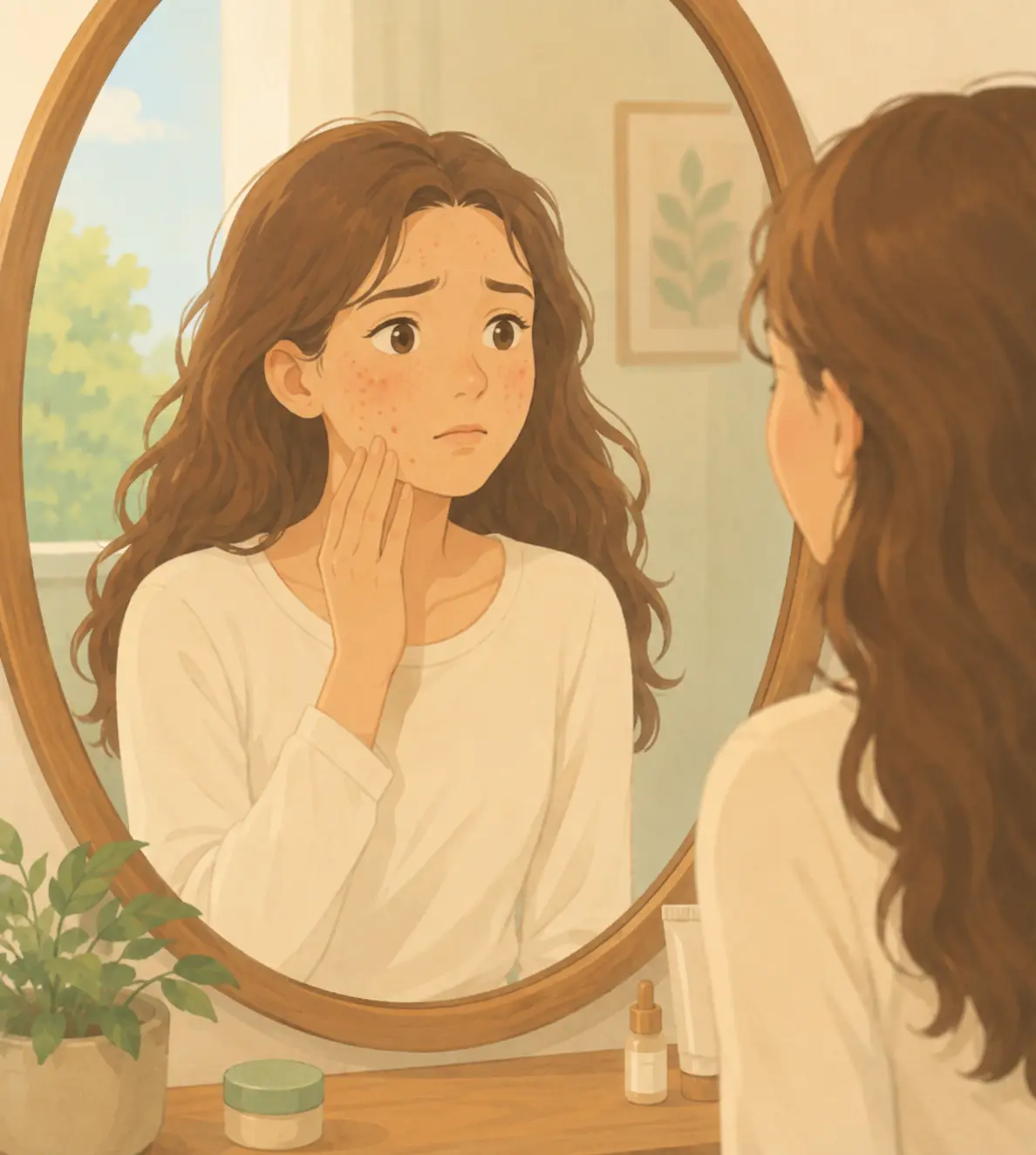
Hormonal acne before your period happens because hormone changes in the days before bleeding make oil glands more active, so pores clog and become inflamed, often on the chin, jawline and lower cheeks. The NHS lists periods among common acne triggers. A gentle, consistent routine helps most: wash twice a day with a mild cleanser, use non-comedogenic products, try benzoyl peroxide or salicylic acid, and don't pick. See a GP if spots are deep, painful or scarring.
Key takeaways
- Hormone changes around your period are a recognised acne trigger, according to the NHS.
- Androgens increase sebum (skin oil), which mixes with dead skin cells, blocks pores and leads to inflamed spots.
- Consistency beats harsh treatments: gentle cleansing, non-comedogenic products and spot treatments work best.
- Eating chocolate or not washing enough doesn't cause acne, according to the MSD Manual.
- Deep, painful or scarring acne, or acne with irregular periods and excess hair, needs a medical check.
Why do you break out before your period?
If a cluster of spots appears like clockwork a few days before your period, you're not imagining it. The NHS lists hormone changes, such as during periods, puberty, pregnancy and menopause, among the common triggers of acne. The MSD Manual also notes that acne may occur with each menstrual period, especially in younger women.
Here's what happens in your skin:
- Hormones shift. In the second half of your cycle, oestrogen falls and progesterone becomes more dominant before both drop just before your period.
- Oil glands get busier. Androgens, hormones everyone has, stimulate the glands to produce more sebum, according to the MSD Manual.
- Pores block. The NHS explains that acne starts when hair follicles get blocked with oil and dead skin cells.
- Inflammation follows. Bacteria normally found on the skin (Cutibacterium acnes) multiply in the blocked follicle, causing red, sore spots.
The good news: these cycle-related breakouts often settle once your period starts and hormones level out, and a steady routine can make them milder.
What does hormonal acne look like?
Period breakouts tend to follow a pattern, which is a useful clue:
- Location: the lower face, especially the chin, jawline and lower cheeks, and sometimes the neck.
- Timing: spots appear in the week before your period and often fade during or after it, then return next cycle.
- Type: a mix of blackheads, whiteheads and red, tender spots. Some people get deeper, painful bumps under the skin.
Other skin changes can come with them. Many people notice extra oiliness, more sensitivity or slower healing in the days around their period.
A gentle skincare routine for period breakouts
Consistency matters more than strong products. A routine you can keep up all month works better than scrubbing hard when a spot appears.
- Cleanse twice a day with a gentle cleanser and lukewarm water. The NHS advises washing twice a day and not scrubbing; the MSD Manual says heavy scrubbing and abrasive soaps don't help and can irritate.
- Moisturise with a light, non-comedogenic product, meaning it won't clog pores, as the NHS recommends.
- Spot-treat active spots with benzoyl peroxide or salicylic acid, which are available from pharmacies. Follow the product instructions and ask a pharmacist if you're unsure, as they can cause dryness or irritation at first.
- Remove make-up every night, and choose non-comedogenic or water-based cosmetics.
- Wear sunscreen when you're outside. Some acne treatments, such as retinoids, make skin more sensitive to the sun, according to the MSD Manual.
Habits that help
- Don't pick or squeeze spots. The NHS warns this can cause scars.
- Keep hands off your face and change pillowcases and face towels regularly.
- Tie hair back if you notice spots along your hairline, and avoid greasy hair products, which the NHS lists as a possible trigger.
- Avoid trying new products the week before your period, when skin may be more reactive.
Does diet affect hormonal acne?
It's one of the most common questions, and the honest answer is that the evidence is limited. According to the MSD Manual, there is no relationship between acne and eating chocolate, and whether milk or high-glycaemic (sugary, refined-carb) diets play a role is not clear.
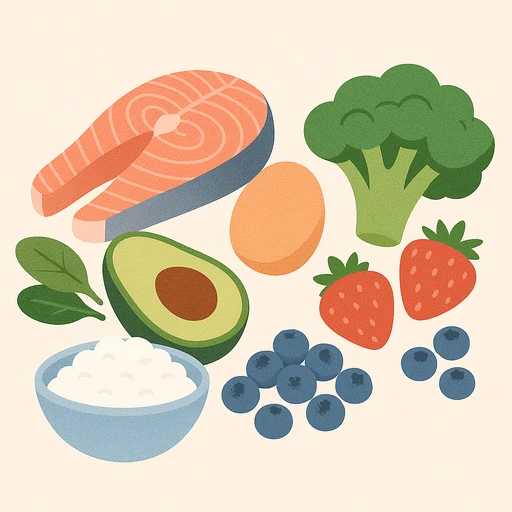
A balanced diet with plenty of vegetables, fruit, wholegrains and oily fish supports your overall health, and staying hydrated helps you feel better during your period. If you notice that certain foods seem to coincide with breakouts for you, track it for a few cycles rather than cutting out whole food groups. For period-friendly meal ideas, see the best foods for period bloating and fatigue and does drinking water help period bloating.
Myths and facts about period acne
- Myth: acne means your skin is dirty. Fact: the MSD Manual states there's no relationship between acne and inadequate face washing. Over-washing can actually irritate skin.
- Myth: chocolate causes breakouts. Fact: the MSD Manual says there's no link between eating chocolate and acne.
- Myth: squeezing spots makes them go faster. Fact: picking can cause scars, according to the NHS.
- Myth: oily skin doesn't need moisturiser. Fact: a light, non-comedogenic moisturiser helps prevent the irritation and dryness that acne treatments can cause.
- Myth: hormonal acne can only be treated with hormones. Fact: many people manage cycle-related breakouts with gentle skincare and pharmacy treatments.
Stress, sleep and your skin
Many people notice their skin is worse when they're stressed or short on sleep, both of which often peak before a period. Steady sleep, regular movement and simple stress relief won't stop hormonal shifts, but they support your overall wellbeing. Our guide to PMS mood swings and emotional self-care has practical calming techniques.
Seeing spots on your face can also affect your mood and confidence. That's valid, and the NHS says it's worth seeing a GP if acne is affecting your mental health.
Medical treatments for hormonal acne
If pharmacy products haven't helped, a GP can offer prescription options. The NHS lists creams and gels such as tretinoin, adapalene and topical antibiotics, tablets such as certain antibiotics, and the combined contraceptive pill, which can help manage the hormone levels that contribute to acne. Severe acne may be referred to a dermatologist.
These treatments take time. The MSD Manual notes that the contraceptive pill can take more than 6 months to show results, and acne may look worse for a few weeks after starting a retinoid such as tretinoin. Some acne medicines aren't suitable in pregnancy, so always tell your doctor if you're pregnant or trying to conceive.
When to see a doctor
- Pharmacy treatments haven't helped after a few months of consistent use.
- You have lots of spots, or deep, painful spots or lumps under the skin.
- Your acne is leaving scars or dark marks.
- Spots look infected, for example hot, swollen and very painful.
- Acne is affecting your mood, confidence or mental health.
- You also have irregular periods, excess facial or body hair, or difficulty losing weight. These can be signs of polycystic ovary syndrome (PCOS), which the NHS now also calls PMOS.
Frequently asked questions
Is it normal to break out before your period?
Yes. The NHS lists hormone changes during periods among common acne triggers, and the MSD Manual notes acne may occur with each period, particularly in younger women. Breakouts in the week before bleeding are very common and usually harmless.
Why does hormonal acne appear on my chin and jaw?
Cycle-related breakouts tend to cluster on the lower face, around the chin, jawline and lower cheeks. Keeping hands, phones and hair off this area and spot-treating early can help.
How long does period acne last?
Cycle-related spots usually appear in the week before your period and fade during or after it as hormones settle. If they're constant through the month, or getting worse, see a GP.
Can the pill help with hormonal acne?
The combined contraceptive pill is one of the treatments the NHS lists for acne, as it can help manage hormone levels that contribute to breakouts. It can take more than 6 months to work and isn't suitable for everyone, so discuss the benefits and risks with a doctor.
Should I change my skincare routine during my period?
Not dramatically, but going gentler helps. Stick to products you know your skin tolerates, avoid harsh scrubs, keep skin moisturised with a non-comedogenic product and start spot treatments early.
Does chocolate or sugar cause period acne?
According to the MSD Manual, there's no relationship between eating chocolate and acne, and the role of milk and sugary diets isn't clear. A balanced diet is good for your health, but a consistent skincare routine usually matters more.
Can PCOS cause acne?
Yes. Oily skin and acne are among the main symptoms of polycystic ovary syndrome, along with irregular periods and excess hair growth. If you have several of these, ask a GP about testing.
Is it safe to use acne treatments if I'm trying to get pregnant?
Some acne medicines, such as tretinoin and isotretinoin, should not be used in pregnancy. If you're pregnant or trying to conceive, check every product with a pharmacist or doctor before using it.
Track it in Femininity
Log your symptoms, see your cycle phases and get tips like this one at the right moment. Free, private and works offline.

Sources
This article is for general information only and is not a substitute for professional medical advice, diagnosis or treatment. Always talk to a doctor or midwife about your own health.